Contents:
- Why Are Delphiniums So Popular With Florists? (Quick Answer)
- The Allure of True Blue: Delphinium’s Color Power
- Showstopping Structure: Height, Shape, and Movement
- Strong Lines for Modern Arrangements
- Comparison Table: Delphinium vs. Other Popular Florist Flowers
- Versatility: Classic Romance Meets Modern Trends
- Vintage Chic to Boho Luxe
- Reliable for Everyday Designs
- Availability and Sourcing: American Grown and Beyond
- US-Grown: Freshness and Local Support
- Imports Fill the Gaps
- Vase Life and Care: Lasting Beauty for Clients
- Pro Tips for Longevity
- Challenges (and Why Florists Still Love Delphinium)
- Delicate Petals, Toxic Sap
- Shipping and Storage
- Pull-Quote
- Delphinium in the US Floral Market: Trends and Outlook
- Rising Demand in 2026
- Innovation and Breeding
- FAQ: Delphinium and Floristry (2026)
- What colors does delphinium come in?
- Is delphinium toxic to pets or humans?
- How long does cut delphinium last in a vase?
- Can I get delphinium year-round in the US?
- What is the average price of delphinium for florists in 2026?
- Looking Ahead: Using Delphinium to Elevate Your Arrangements
What Makes Delphinium So Popular With Florists
It’s the first wow of a June wedding bouquet: towering, celestial blue delphiniums. Their color is so true, so electric, that even seasoned florists pause while arranging them. In the past five years, US flower shops have doubled their orders for delphinium during summer, according to industry wholesaler Mayesh. This isn’t a passing trend–delphinium’s star has been rising for decades. But why do these stately spikes captivate the pros? Let’s get down to specifics.
Why Are Delphiniums So Popular With Florists? (Quick Answer)
Delphiniums are popular with florists because they offer tall, dramatic vertical lines, a rare range of true blues and purples, and versatile stems for bouquets and event installations. Their long vase life (5-10 days), wide availability from American and imported growers, and ability to blend with both classic and modern floral styles make them a florist’s go-to for impactful design.
The Allure of True Blue: Delphinium’s Color Power
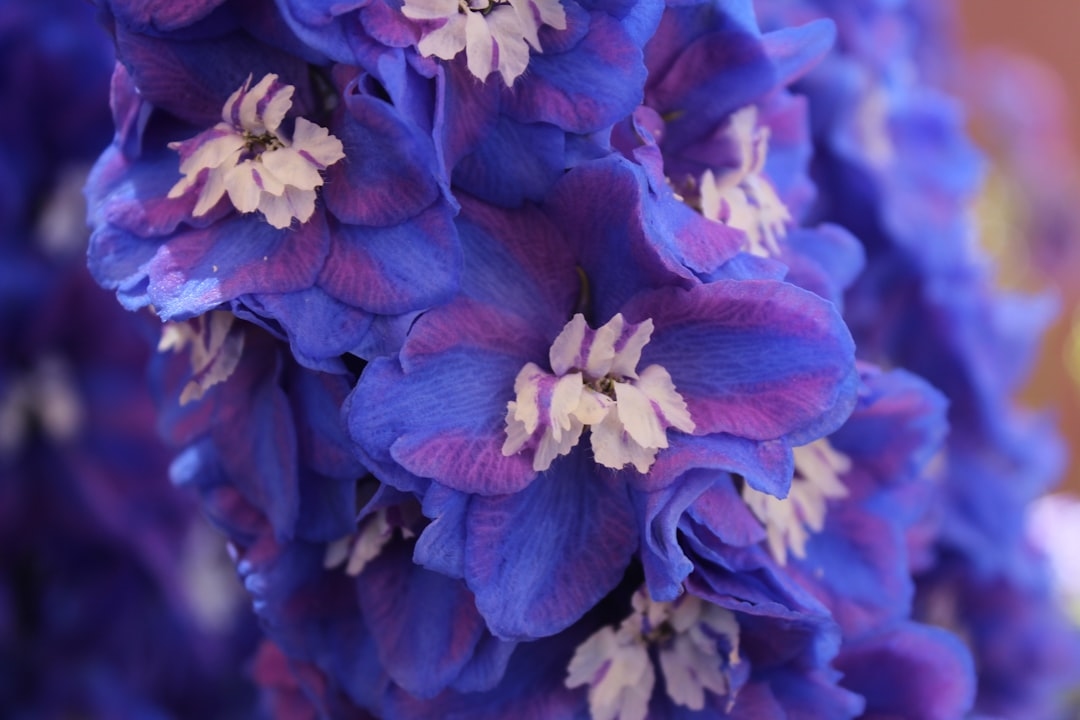
Blue has always been the rarest color in floristry. Out of more than 250,000 flowering plants, only about 10% naturally produce blue blossoms–and fewer still in the bold, saturated blues of delphinium. Most popular wedding flowers, from roses to peonies, simply don’t offer the depth of blue that delphinium brings.
Why does this matter so much?
- Pantone’s 2025 Color of the Year (“Future Blue”) is already boosting blue-flower demand.
- According to Rita Sanchez, AIFD-certified florist in San Francisco, “Half my wedding clients in 2026 are asking for blue in their color palette–delphinium is always the first flower on my list.”
- Delphinium’s shades range from powder blue (think ‘Centurion Sky Blue’) to lapis and violet, with bicolor and white cultivars, too.
“When clients want a bold blue centerpiece, delphinium is practically the only flower that won’t disappoint.”
– Ava Chen, Lead Designer, Sprout Floral, Chicago
Florists rely on these blossoms for Memorial Day, Fourth of July, and baby showers for boys–occasions where blue isn’t just pretty, it’s a statement.
Showstopping Structure: Height, Shape, and Movement
Delphinium isn’t shy about taking up space. Its vertical spikes can soar from 18 inches to over 6 feet, depending on variety. Compare that to the average rose stem (usually 14-24 inches), and you start to see why event florists especially love it.
Strong Lines for Modern Arrangements
- Vertical drama: In a market where “architectural florals” dominate Instagram feeds, delphinium’s natural spires create instant drama, especially in large-scale installations and altar arrangements.
- Tabletop flexibility: Florists like Emily Torres, owner of LA’s Blue Poppy Studio, say “Even a single delphinium stem elevates a bud vase or centerpiece.”
Comparison Table: Delphinium vs. Other Popular Florist Flowers
| Feature | Delphinium | Rose | Hydrangea | Lisianthus |
|---|---|---|---|---|
| Main Colors | Blue, purple, white | Red, pink, etc. | Blue, white | White, pink |
| Max. Height (in) | 72 | 30 | 36 | 32 |
| Vase Life (days) | 7-10 | 6-12 | 5-9 | 10-14 |
| Price/stem (USD) | $2.15-$4.00 | $1.70-$6.00 | $2.50-$5.00 | $2.00-$3.50 |
| Scent | Very mild/none | Strong | Faint | Slight |
| Showiness | ★★★★☆ | ★★★★☆ | ★★★★☆ | ★★★☆☆ |
Delphinium’s showiness and height make it uniquely suited to statement pieces, but it also tucks beautifully into hand-tied bouquets, adding whimsy and movement.
Versatility: Classic Romance Meets Modern Trends
Some flowers belong to a single style–delphinium doesn’t.
Vintage Chic to Boho Luxe
- Cottagecore weddings: Pairing delphinium with garden roses, yarrow, and Queen Anne’s lace is a 2026 favorite, according to The Knot’s “Floral Trends Report.”
- Minimalist installs: Just 3-5 delphinium stems against a white backdrop–clean, graphic, and instantly modern.
Reliable for Everyday Designs
Delphinium’s adaptability means it can anchor a sympathy arrangement, add height to a spring bouquet, or simply fill out a vase for a farmer’s market bouquet. Its bipinnate leaves and gentle curves soften the somewhat formal silhouette, so it never feels stiff.
Availability and Sourcing: American Grown and Beyond
Delphinium is one of the rare “showy” flowers grown reliably in the US as well as imported from Europe and South America.
US-Grown: Freshness and Local Support
- California is the epicenter: Over 60% of domestic delphinium comes from farms in the Salinas and Santa Barbara areas. Flower farms like Ocean View Flowers and Mellano & Company ship fresh stems nationwide, often via Florabundance or Mayesh.
- Season: Peak US season is May to July, with some farms cutting until September. Greenhouse-grown options extend shoulder months.
Imports Fill the Gaps
- Off-season, florists rely on imports from Holland and Ecuador. These stems travel well and arrive in excellent condition, according to Amy Lee, buyer at FloraDirect NY.
- Pricing: Wholesale cost ranges from $2.15-$4.00 per stem in 2026, depending on variety, season, and stem length.
Florists can request “premium” or “giant” delphinium for event work, which have thicker stems and longer florets.
Vase Life and Care: Lasting Beauty for Clients
A bloom’s beauty doesn’t matter if it wilts after a day. Delphiniums aren’t the hardiest–like all delicate flowers, they need proper care–but they outperform many other spikes.
- Expected vase life: 5-10 days under typical home conditions.
- “With a clean cut, fresh water, and a dash of flower food, I consistently get a full week on delphinium,” says Marcus Hall, florist and educator with the American Institute of Floral Designers.
Pro Tips for Longevity
- Remove lower leaves to prevent water rot.
- Avoid ethylene-producing fruits nearby–delphinium is sensitive.
- Change water every 2-3 days and recut stems.
- Use floral preservative for maximum shelf life.
Some wholesalers offer “conditioned” delphinium that’s pre-hydrated for event designers–ideal for floral arches and hanging installations.
Challenges (and Why Florists Still Love Delphinium)
No flower is perfect. Delphinium’s elegance comes with quirks that pros learn to manage.
Delicate Petals, Toxic Sap
- The sap can irritate skin; gloves are recommended for florists with sensitivities.
- All parts of the plant are toxic if ingested, so delphinium should not be used in edible arrangements or near pets.
Shipping and Storage
- Tall stems can “bend” in shipping if not packed carefully.
- Proper support (like water tubes and upright buckets) is a must.
Despite these caveats, delphinium’s upsides far outweigh the challenges. “With careful handling, it’s the best blue in the game,” insists San Diego event florist Lauren Jaffe, who uses delphinium in 90% of her outdoor installations.
Pull-Quote
“There’s no substitute for delphinium when you need that shot of blue–nothing else comes close.”
– Carlos Rivera, Lead Designer, The Petal Project, Miami
Delphinium in the US Floral Market: Trends and Outlook
Rising Demand in 2026
- Weddings: According to WeddingWire, blue palettes (particularly navy and periwinkle) are up 160% in US wedding requests this year, placing delphinium front and center.
- Retail: Uber-popular subscription services like UrbanStems and The Bouqs feature delphinium seasonally, calling it “America’s favorite blue spike.”
- Events: Florists report a 25% increase in event orders using delphinium for graduations and patriotic holidays.
Innovation and Breeding
Breeders are releasing new varieties yearly. Look for double-flowered types and compact cultivars bred for better vase life and transportability. Seed companies like Johnny’s Selected Seeds and Floret Flowers now offer US-grown specialty delphinium seeds, making it more accessible for local growers.
FAQ: Delphinium and Floristry (2026)
What colors does delphinium come in?
Delphinium flowers are best known for their true blue and deep purple hues, but they also come in white, pale pink, and lavender. Select varieties, like ‘Sky Blue’ and ‘Cliveden Beauty’, offer especially vivid shades.
Is delphinium toxic to pets or humans?
Yes, all parts of the delphinium plant are toxic if ingested, and the sap can irritate skin for some people. Always keep arrangements out of reach of pets and children.
How long does cut delphinium last in a vase?
With proper care–fresh cuts, clean water, and floral preservative–cut delphinium typically lasts 5 to 10 days in a home setting.
Can I get delphinium year-round in the US?
Delphinium is widely available in the US market from May through September from domestic growers. Imports from Holland and South America extend availability throughout the year, so most US florists can source delphinium year-round.
What is the average price of delphinium for florists in 2026?
Wholesale prices for cut delphinium in the US range from $2.15 to $4.00 per stem in 2026, depending on stem length, variety, and season.
Looking Ahead: Using Delphinium to Elevate Your Arrangements
For florists, event planners, and home floral fans alike, delphinium represents a shortcut to dramatic color, texture, and height. In a sea of sameness, it’s the flower that still shows up with something new.
Thinking about your next wedding, sympathy piece, or creative tablescape? Try weaving delphinium through your designs–just a few stems can electrify a bouquet. With American growers and global breeders investing in even hardier, more colorful varieties, the blue beauty is poised to remain at the top of every florist’s list in 2026 and beyond.