Contents:
- Quick Answer: The Legal and Ethical Rules of Foraged Flowers
- Why Foraged Flowers? Trends and Challenges in 2026
- Where Can You Forage? US Legal Landscape for Florists
- Private Property
- Public Lands
- Table: Foraging Restrictions by Location (2026 Snapshot)
- Ethical Foraging: Respecting Nature and Community
- Golden Rules of Ethical Flower Foraging
- Community Impact
- Florist Best Practices: Documentation and Sourcing
- Record-Keeping and Supplier Choice
- When in Doubt, Grow Your Own
- Sustainable Alternatives: Foraging Flower Lookalikes
- List: Top US-Grown Foraged Flower Substitutes (2026)
- Protecting Wildflowers: The Bigger Picture
- FAQs: Foraged Flowers – Ethical and Legal Details
- Do I need a permit to pick wildflowers in the US?
- Can I include foraged flowers in arrangements I sell?
- What are the penalties for illegal foraging?
- How do I recognize a protected wildflower?
- Are roadside flowers fair game?
- Looking Ahead: Bring Wild Beauty Home–Responsibly
Foraged Flowers – Ethical and Legal Rules Every Florist Should Know
A patchwork of wild violets twines through city park grass. Queen Anne’s lace nods on a rural roadside. The temptation is real: gather those blooms, craft a bouquet, share a wilder kind of beauty. Yet, beneath that romantic impulse lies a tangle of legal and ethical hurdles. In 2026, with more Americans embracing floral sustainability, understanding the rules around foraged flowers matters more than ever.
Quick Answer: The Legal and Ethical Rules of Foraged Flowers
In the US, foraging wildflowers is legal on your own land or with explicit permission from the landowner. Foraging on public property–like national parks, state parks, city land, and many roadways–is generally illegal or highly restricted to protect native species and habitats. Ethically, never pick rare or threatened plants, avoid overharvesting, and leave areas as you found them. For professional florists, always verify sources and keep records of where flowers were gathered.
Why Foraged Flowers? Trends and Challenges in 2026
Backyard bouquets and untamed arrangements have found their place in Vogue, Brooklyn pop-ups, and the Instagram feeds of top floral designers. US Google searches for “wildflower bouquet” are up 28% since 2024, according to Semrush. Foraged flowers bring hyper-local charm, sustainable stories, and lower carbon footprints–no Interflora flights from Ecuador required.
But this wild beauty has its thorns. Dr. Maribel Chen, Ecologist at the University of Oregon, notes:
“Even a handful of careless foragers can devastate native plant populations over a single season–especially in drought-prone states.”
With wildflower poaching making headlines from California to Maine, the line between inspiration and infraction is more critical than ever.
Where Can You Forage? US Legal Landscape for Florists
The law draws a bright line around foraging rights. Here’s what American florists, hobbyists, and foraged-flower fans need to know:
Private Property
- Your own backyard? Gather away!
- Neighbors’ land? Only with clear, written permission. Verbal is risky–misunderstandings can lead to trespassing charges.
Public Lands
- National Parks: Foraging for any commercial use is illegal nationwide. Even picking a handful of flowers for personal enjoyment is prohibited in most.
- State & Local Parks: Varies by state/city. For instance, New York City parks ban all removal of plant material. Some county parks allow “personal picking” of non-protected species–always check posted signage or park websites first.
- Roadside/Railway Land: Most is government-owned or maintained by utility companies. Foraging here is generally prohibited due to erosion, invasive species risk, and liability.
Table: Foraging Restrictions by Location (2026 Snapshot)
| Location | Personal Use | Commercial Use | Notable Rules |
|---|---|---|---|
| Your property | ✔️ Legal | ✔️ Legal | No restrictions |
| Private land (with permission) | ✔️ Legal | ✔️ Legal | Written permission recommended |
| National parks | ❌ Illegal | ❌ Illegal | Strictly enforced, fines up to $5,000 |
| State/local parks | ⚠️ Varies | ❌ Illegal | Most prohibit; some allow for certain species |
| Roadside/public ROW | ❌ Illegal | ❌ Illegal | Heavy fines, herbicide exposure risks |
Ethical Foraging: Respecting Nature and Community
Legality is only half the equation. The heart of ethical flower foraging is the land itself. Every state in the US has at-risk wildflowers, many with populations diminished by overhunting, climate shifts, or careless picking.
Golden Rules of Ethical Flower Foraging
- Never Forage Rare or Threatened Species:
Every state publishes a list. Use resources like the USDA PLANTS Database to verify local status. - Harvest Sparingly:
Take less than 10% of a patch. Leave roots undisturbed. “Harvest like you might never return,” says Rachel Torres, a certified forager in Vermont. - No Digging:
Roots, bulbs, and seeds are off-limits. Flowers only, and only where abundant. - Leave No Trace:
Don’t trample surrounding plants. Carry out all litter–including flower stems you don’t use.
Community Impact
Foraged bouquets have a ripple effect. Overharvesting can change entire ecosystems, reduce food sources for pollinators, and rob neighbors of beauty. In 2026, more US florists partner with local land trusts or wildflower farms to cultivate “forage-inspired” blooms–wild in look, but responsibly grown.
Florist Best Practices: Documentation and Sourcing
US floral designers face heightened scrutiny. A 2025 U.S. Fish & Wildlife Service advisory warned that illegal plant materials in retail shops can bring steep fines–even when gathered unknowingly. Clients and wedding planners now ask: where did these flowers come from?
Record-Keeping and Supplier Choice
- Supplier Transparency: Choose growers with clear policies–like The Farm at Oxford (PA) or California’s Wild Flower Co.–that guarantee no wild-harvested protected species.
- Keep Foraging Records: Date, location, plant name, landowner permission. Store digitally (Google Sheets works) and update each season.
- Label Your Arrangements: Consider adding brief source stories to bouquets: “Grown in our Hudson Valley micro-farm; never foraged from wild public lands.”
When in Doubt, Grow Your Own
Many US wildflowers–echinacea, black-eyed Susan, columbine–thrive in backyard beds. Native Seed Network recommends local varieties, both for beauty and ecosystem benefit. This can satisfy the craving for wild style without risk or guilt.
Sustainable Alternatives: Foraging Flower Lookalikes
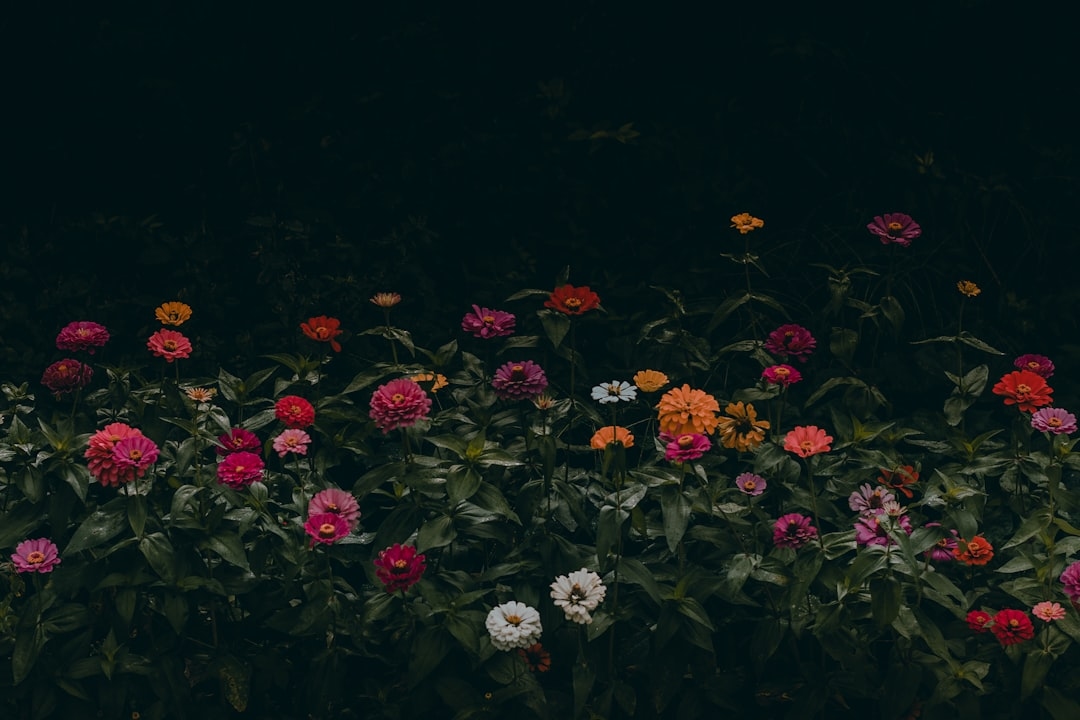
Not every wild-looking flower needs to be wild-picked. More US flower farms now offer “wildflower-style” mixes that recreate the look of foraged arrangements with cultivated, non-invasive, US-grown stems.
List: Top US-Grown Foraged Flower Substitutes (2026)
- Queen Anne’s Lace → Ammi majus (farm-grown lookalike)
- Wild Sweet Peas → Lathyrus odoratus (safe garden variety)
- Wild Sunflowers → Helianthus annuus (commercially grown strains)
- Goldenrod → Solidago ‘Fireworks’ (cultivated hybrid)
This approach reduces risk and supports local agriculture. “Customers get the wild aesthetic, farmers keep native plant populations safe, and everyone wins,” explains Tom Li, owner of PetalPushers Cooperative in Colorado.
Protecting Wildflowers: The Bigger Picture
Florists wield influence. Choosing responsibly sourced flowers, educating clients, and supporting habitat conservation makes a difference. In 2026, organizations like the Lady Bird Johnson Wildflower Center and American Floral Endowment offer workshops and grants for floral professionals committed to sustainability.
It’s not just about avoiding fines; it’s about keeping America’s wild beauty blooming for decades to come.
FAQs: Foraged Flowers – Ethical and Legal Details
Do I need a permit to pick wildflowers in the US?
Most public lands, including national and state parks, require a permit for scientific or educational collection. Permits for commercial foraging are almost never issued. Always check with the relevant agency before picking.
Can I include foraged flowers in arrangements I sell?
Yes, only if you have legal access to forage and the plants are not protected by state or federal law. Always record where and how the flowers were collected, and never include invasive or endangered species.
What are the penalties for illegal foraging?
Penalties range from $100 (local fines) to $5,000 or more (federal offenses), plus possible loss of business licenses for repeat offenders. The US Department of Agriculture increased enforcement in 2026 following several high-profile cases.
How do I recognize a protected wildflower?
Protective status varies by state. Look up the plant on the USDA PLANTS Database or your state’s Department of Natural Resources website. Many rare plants are clearly labeled in guides or park signage.
Are roadside flowers fair game?
No. Most roadside land is public and picking flowers is illegal. Additionally, roadside plants may be contaminated with herbicides or pollutants–not safe for bouquets.
Looking Ahead: Bring Wild Beauty Home–Responsibly
Foraging flowers connects us to place, season, and story. But in the US, the wild bouquet comes with responsibility. When craving a touch of untamed charm, research your local laws, support native growers, or start a backyard patch of “foraged” favorites. Your arrangements–and America’s wildflowers–will flourish together.