Contents:
- Quick Answer: What Is the Carbon Footprint of Valentine’s Day Flowers?
- Why Roses on Valentine’s Day Have Such a High Carbon Footprint
- Born in the Tropics, Delivered Overnight
- Pesticides and Water: The Environmental Cost of Mass Floriculture
- Comparing Carbon Footprints: Imported vs. Domestic Flowers
- The Cold Chain: How Flowers Stay Fresh (and Why It Matters)
- Refrigeration’s Hidden Energy Toll
- Distribution: Miami, the Unsung Floral Hub
- The Human Side: Labor and Fairness in Flower Supply Chains
- American Alternatives: Lower-Carbon Flowers for Valentine’s Day
- What’s in Season, Really?
- Eco-Conscious Flower Delivery Services
- Lower-Impact Flower Alternatives
- Dried, Potted, and More
- How to Make Your Bouquet Greener
- Pull-Quote
- FAQ: Valentine’s Day Flowers & Environmental Impact
- How much CO₂ does an average Valentine’s Day bouquet emit?
- Are there eco-friendly flower delivery options in the US?
- Why are so many Valentine’s flowers imported?
- Is buying local flowers always greener?
- What’s the best way to make my Valentine’s flowers more sustainable?
- What Can You Do Next Valentine’s Day?
The Carbon Footprint of Valentine’s Day Flowers
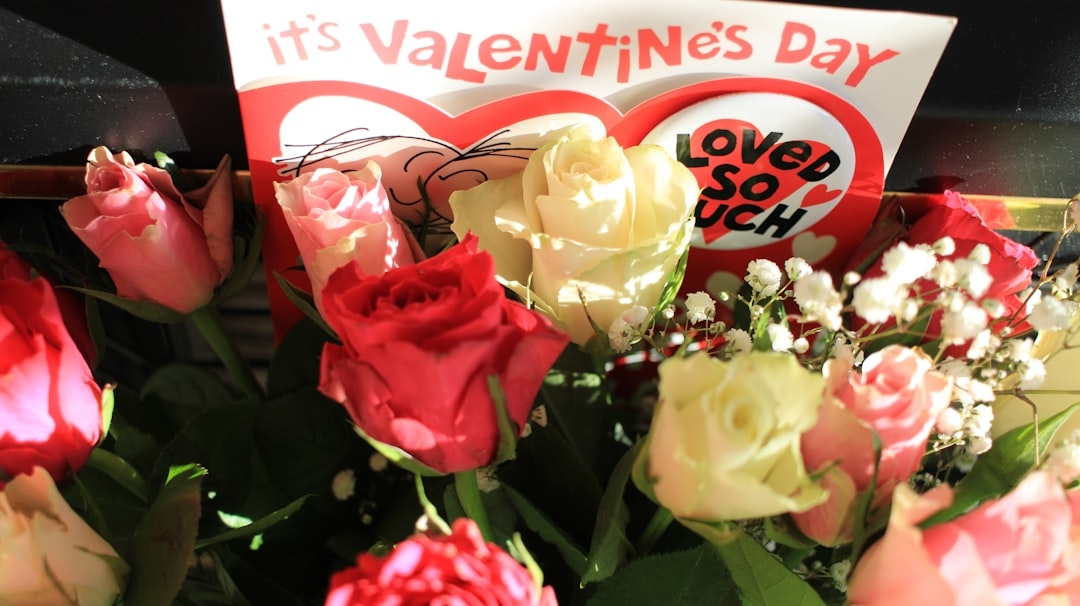
On February 14th, nearly 250 million roses change hands in the United States alone. Bouquets appear at office desks and doorsteps, flown in from halfway around the world overnight. They look effortless. They’re not. Behind every bright petal is a story of jet fuel, refrigeration, pesticides, and water use–making that Valentine’s Day bouquet surprisingly heavy on the planet.
Quick Answer: What Is the Carbon Footprint of Valentine’s Day Flowers?
A single imported bouquet of a dozen roses can carry a carbon footprint of 20-40 lbs of CO₂, according to research from the University of Sussex (2023). Most Valentine’s Day flowers in the US travel thousands of miles by airplane from Colombia or Ecuador, then crisscross North America in refrigerated trucks, amplifying their environmental impact. Domestic, seasonal flowers generally have a much lower carbon footprint–but are often hard to find in mid-February.
Why Roses on Valentine’s Day Have Such a High Carbon Footprint
Born in the Tropics, Delivered Overnight
Close to 80% of the cut flowers sold in the US are imported, with Colombia and Ecuador at the top. Valentine’s Day falls in the depths of winter for most of the US, so growing roses locally isn’t easy.
“Roses prefer temperatures above 60°F and lots of sunlight, so importers fill the gap with blooms grown near the equator,” says Elena Fisher, a horticulturist and sustainability consultant from Oregon.
But here’s the catch: roses are delicate, and time is money. Most imports are packed in refrigerated cargo holds and flown into Miami International Airport–the flower hub of America–before being sorted and sent, again in refrigerated trucks, to florists nationwide.
- Air freight: 1 ton of flowers flown from South America to the US emits about 2 tons of CO₂, according to the International Council on Clean Transportation.
- Cold chain logistics: Refrigeration for 24-48 hours in transit adds 20-30% to the total energy use.
Pesticides and Water: The Environmental Cost of Mass Floriculture
To produce the sheer volume of blooms required for Valentine’s Day, growers rely heavily on pesticides and synthetic fertilizers. Flower farms in Colombia and Ecuador often use up to four times as many pesticides per acre as food crops, a 2024 report by Fairtrade International found.
Roses are famously thirsty–they require around 10 liters of water per stem from seedling to sale, according to the Flower Council of Holland. Multiply by millions, and the water footprint quickly rivals that of thirsty crops like almonds.
Comparing Carbon Footprints: Imported vs. Domestic Flowers
A bouquet’s environmental impact isn’t just about where it’s grown–it’s also about when and how.
| Bouquet Type | Typical CO₂ Emissions (per dozen) | Seasonality | Transport Distance | Water/Pesticide Use | Cost (avg 2026 USD) |
|---|---|---|---|---|---|
| Imported Roses | 20-40 lbs | Year-round | 2,500-3,000 miles (air) | High/High | $70-$120 |
| Domestic Greenhouse | 10-16 lbs | Limited (Winter) | 500-1,000 miles (truck) | Medium/High | $90-$140 |
| Local Seasonal (Spring) | 3-8 lbs | Spring-Summer | <100 miles (truck/local) | Low/Low | $45-$65 |
| Dried/Preserved Flowers | 4-10 lbs (one-time) | Year-round | Varies | Low/Low | $55-$95 |
“Switching from imported roses to local seasonal flowers cuts your Valentine’s bouquet footprint by up to 80%,” says Monica Nguyen, florist and owner of Wild Roots Floral in Minneapolis.
The Cold Chain: How Flowers Stay Fresh (and Why It Matters)
Refrigeration’s Hidden Energy Toll
From equatorial farms to US flower shops, cut stems spend virtually their entire post-harvest lives at 32-35°F. Maintaining this cold chain is essential for freshness–but it’s resource-intensive.
- Transportation: Each refrigerated truck mile burns nearly double the fuel of a standard truck, according to the U.S. Department of Energy.
- Florist storage: Walk-in flower coolers, running 24/7 in the weeks before Valentine’s Day, can draw as much power as a small apartment.
Distribution: Miami, the Unsung Floral Hub
Roughly 90% of US flower imports land at Miami International Airport before fanning out nationwide. In 2025, over 41,000 tons of flowers passed through Miami during Valentine’s week alone (USDA, 2025 data). From there, they’re shipped as quickly as possible, sometimes crisscrossing the entire country–a logistical ballet that runs on fossil fuels.
“Every extra mile by air or refrigerated truck adds to a bouquet’s invisible weight,”
– Elena Fisher, horticulturist
The Human Side: Labor and Fairness in Flower Supply Chains
Popular Valentine’s Day bouquets are often grown by workers who face challenging conditions. While Fairtrade and Rainforest Alliance certifications are on the rise, only about 15% of imported US flowers in 2026 are verified as sustainable or ethical.
- Wages: The average Colombian flower worker earns less than $350/month (Colombian Ministry of Labor, 2025).
- Toxins: Up to 20% of workers on non-certified farms report pesticide-related health problems annually (Human Rights Watch survey, 2024).
Choosing Fairtrade or American-grown flowers supports safer, more equitable work conditions–alongside environmental benefits.
American Alternatives: Lower-Carbon Flowers for Valentine’s Day
What’s in Season, Really?
February is slim pickings for most US flower farms. But all hope isn’t lost for American-grown blooms with a lower carbon cost:
- Tulips and daffodils: Usually greenhouse-grown in the Pacific Northwest and New Jersey.
- Anemones and ranunculus: Some California and Texas growers offer these from late January.
- Branches and evergreens: Think curly willow, forsythia, or seeded eucalyptus.
“Local flowers in February are a challenge, but many US greenhouses now plan specialty crops for Valentine’s Day,” says Monica Nguyen.
Look for florists who advertise locally grown or American-grown bouquets, such as Farmgirl Flowers (San Francisco), Slow Flowers Society, or Rooted Flowers (New York).
Eco-Conscious Flower Delivery Services
Many national delivery services–such as UrbanStems and The Bouqs Co.–now highlight seasonal, American-grown arrangements. Ask your florist about the source of their blooms, or browse the “American Grown” section on these sites. In 2026, nearly 22% of Valentine’s Day bouquets on UrbanStems are sourced domestically, up from just 9% in 2022.
Lower-Impact Flower Alternatives
Dried, Potted, and More
Not every Valentine’s bouquet has to be fresh-cut roses. Consider these lower-impact ideas:
- Dried flowers: Lasts for months, can be sourced locally ($60-$80).
- Potted bulbs or mini-roses: Living plants with much less transport energy.
- Edible bouquets: Herb bunches or microgreens, for the foodie Valentine.
- Paper or fabric flowers: Handmade and endlessly reusable.
How to Make Your Bouquet Greener
- Request no plastic wrap–ask for paper or compostable packaging.
- Skip floral foam (“oasis”), which is non-biodegradable.
- Reuse or compost stems after Valentine’s Day.
Pull-Quote
“A dozen imported roses might travel 3,000 miles and require enough energy to power a fridge for a month–just for a week in a vase.”
– Dr. Carlene Ramos, University of Wisconsin, Environmental Studies
FAQ: Valentine’s Day Flowers & Environmental Impact
How much CO₂ does an average Valentine’s Day bouquet emit?
A standard imported bouquet of a dozen roses generates around 20-40 lbs of CO₂, largely from air freight and refrigeration. Domestic, seasonal bouquets can reduce these emissions by up to 80%.
Are there eco-friendly flower delivery options in the US?
Yes, several services–like Farmgirl Flowers, The Bouqs Co., and UrbanStems–offer American-grown and seasonal flowers for nationwide delivery. Look for labels like “Certified American Grown” or “Fairtrade” for lower-impact choices.
Why are so many Valentine’s flowers imported?
The US climate makes local rose production challenging in February. Most US-grown flowers aren’t blooming until late spring, so importers in Colombia and Ecuador fill the gap for peak demand.
Is buying local flowers always greener?
Generally, yes–especially if grown in season without heated greenhouses. However, many “local” winter flowers are still grown in energy-intensive greenhouses, so always ask your florist about growing practices.
What’s the best way to make my Valentine’s flowers more sustainable?
Choose local, seasonal, or dried flowers; skip plastic packaging; compost the stems; and support florists committed to ethical sourcing.
What Can You Do Next Valentine’s Day?
If you want your romantic gesture to feel as good for the earth as it does for your partner, ask your florist where their blooms come from and consider alternatives to imported roses. Better yet, start a tradition: spring for a living plant, sign up for a local flower subscription, or visit a winter farmers market to see what’s growing on American soil, even in February. Each small change shrinks that invisible carbon bouquet–and might just mean more for the one you love.