Contents:
- What Makes Anchor Hocking Vintage Vases a Top Pick for Florists?
- The Legacy of Anchor Hocking Glassware in American Floristry
- Heritage and Local Craft
- Comparing Anchor Hocking Vintage Vases to Modern Alternatives
- Identifying Authentic Anchor Hocking Vases: What to Look For
- Logos and Markings
- Popular Styles for Florists
- Incorporating Vintage Vases into Floral Design
- For Everyday Bouquets
- Event & Wedding Work
- Rental Programs
- Where (and How) to Buy Anchor Hocking Vintage Vases in the US
- Online Sourcing
- Local Finds
- Tips for Buying in Bulk
- Caring for and Maintaining Vintage Glass Vases
- The Collector’s Angle: Value in 2026
- FAQ: Anchor Hocking Vintage Vases for Florists
- How do I tell if my vase is Anchor Hocking?
- Are Anchor Hocking vases food-safe and lead-free?
- What’s the best way to clean old glass vases?
- Can I use Anchor Hocking vases for floral rental programs?
- Are vintage Anchor Hocking vases worth collecting?
Anchor Hocking Vintage Vases for Florists: A Timeless, Practical Choice
Step through the door of any seasoned US flower shop, and you’ll likely spot more than just a jumble of blooms. Nestled on cluttered workbenches and lining sunny windowsills, those heavy, gracefully shaped glass vases with subtle patterns–these are often Anchor Hocking vintage vases. In a world where new vases can cost florists $8-$18 each, these American-made classics have quietly become a favorite for their durability, affordability, and nostalgic charm.
What Makes Anchor Hocking Vintage Vases a Top Pick for Florists?
Anchor Hocking vintage vases combine sturdy, American-made quality with iconic mid-century style, making them both practical and charming for modern florists.
Their pressed-glass construction withstands frequent use, making them more resilient than many contemporary thin-glass imports. With distinctive designs ranging from hobnail textures to clean, minimalist silhouettes, these vases suit a wide range of floral arrangements–while connecting florists and recipients to a century of US design heritage.
Key benefits for florists:
- Affordable and widely available, new or secondhand.
- Durable, dishwasher-safe glass.
- Aesthetic versatility, from minimalist to ornate.
- Easy to mix and match for event work or retail displays.
The Legacy of Anchor Hocking Glassware in American Floristry
Founded in Lancaster, Ohio in 1905, Anchor Hocking shaped the look of 20th-century American glass. Their vases–especially those from the 1940s through 1970s–have become icons in US floristry, favored for weddings, proms, and everyday arrangements.
Heritage and Local Craft
“The glass used in Anchor Hocking vases is denser than many modern vases, which means less breakage during delivery,” explains Maya Cordova, owner of Sprig & Vine Florals (Chicago, IL). “Plus, there’s a sentimental value. Customers love hearing they’re getting flowers in a piece of real American history.”
Anchor Hocking vases were made to weather decades of use, with designs that have outlasted fleeting trends. Their famous “Lido Milano” pattern, for instance, has been adapted by florists for everything from Mother’s Day bouquets to centerpiece rentals.
Comparing Anchor Hocking Vintage Vases to Modern Alternatives
Florists often have two choices: splurge on new, contemporary vessels or hunt for reliable vintage glassware. Below is a comparison table that breaks down how Anchor Hocking vintage vases stack up against new imports and other vintage American brands like Fostoria or Indiana Glass.
| Feature | Anchor Hocking Vintage | Modern Imported Glass | Other Vintage US Brands |
|---|---|---|---|
| Average Cost (USD) | $2-$10 (secondhand) | $8-$18 | $3-$12 |
| Durability | Very high | Medium | High |
| Dishwasher Safe | Yes | Sometimes | Yes |
| Design Variety | Moderate-High | High | Moderate |
| USA-Made | Yes | Rarely | Yes |
| Collectible Value | Increasing | Low | Moderate |
Quick tip: Estate sales and secondhand shops (like Goodwill or Savers) in suburban US towns often have Anchor Hocking vases for under $5. Savvy florists can stock a whole wedding’s worth of vessels for less than $50.
Identifying Authentic Anchor Hocking Vases: What to Look For
Spotting the real thing isn’t always obvious, especially since Anchor Hocking produced thousands of designs since the early 20th century. But there are telltale signs.
Logos and Markings
- Trademark: After 1937, most pieces carry the Anchor Hocking “anchor inside an ‘H’” logo.
- Molded Numbers: Look for pattern or mold numbers on the base.
- Weight and Clarity: Vintage Anchor Hocking glass feels heavier and often exhibits a faint greenish tint in natural light (thanks to sand from Ohio’s upper Midwest).
Popular Styles for Florists
- Swung vases: Tall, flared, often in clear or pastel colors, ideal for long-stemmed flowers.
- Crimped and ribbed vases: Perfect for mixed arrangements.
- Hobnail patterns: Adds vintage texture, especially in milk glass pieces.
<blockquote>
“Those chunky pressed glass vases are workhorses–mine have survived 200+ weddings and countless weekends in the delivery van,” says Jess Huang, Lead Designer at Sunbelt Stems, Dallas, TX.
</blockquote>
Incorporating Vintage Vases into Floral Design
Anchor Hocking vintage vases aren’t just practical–they make a visual statement. Here’s how florists across the US are putting them to work in 2026.
For Everyday Bouquets
- Their neutral glass showcases stems and water, supporting both classic and contemporary arrangements.
- Customers often reuse the vase, providing ongoing exposure for your shop’s branding.
Event & Wedding Work
- Uniform sets (like Lido or Wexford patterns) create a cohesive look for banquet tables.
- Mixing shapes and sizes adds layered interest without clashing colors.
Rental Programs
More florists are offering vase rentals for sustainability. Sturdy, attractive Anchor Hocking pieces hold up over repeated use, cutting down on single-use containers.
Pro tip: Keep an inventory spreadsheet with pattern names and quantity–over time, you’ll know exactly what’s available for any job.
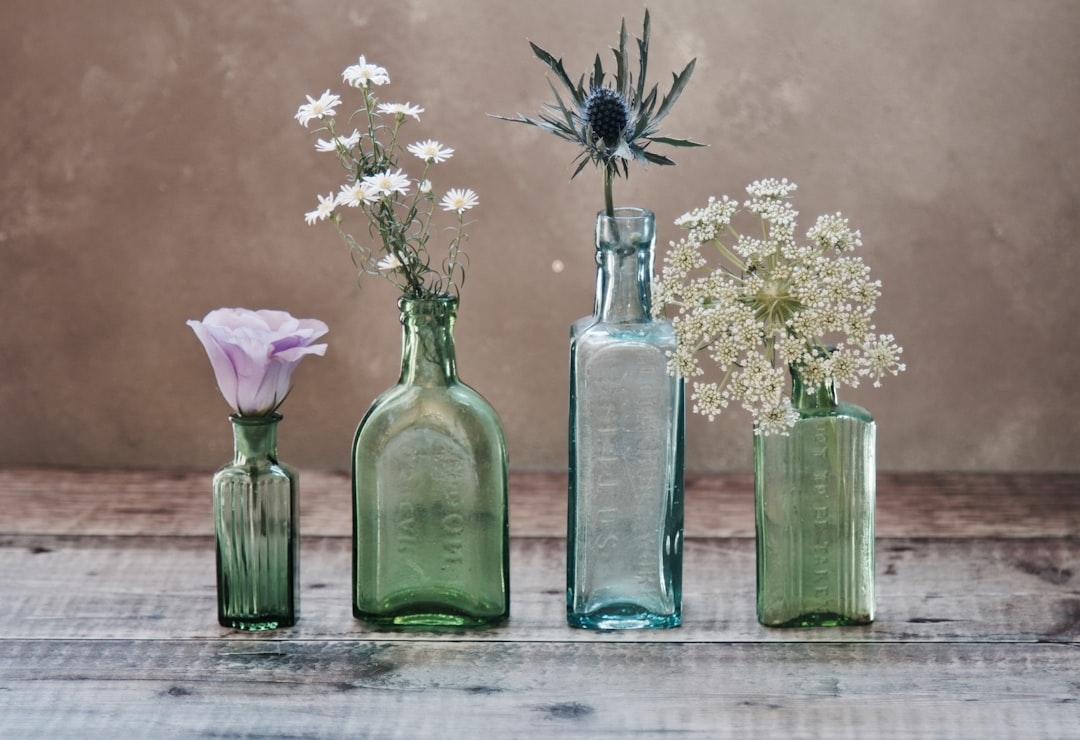
Where (and How) to Buy Anchor Hocking Vintage Vases in the US
Sourcing these vases is easier than ever in 2026, with both online and local options.
Online Sourcing
- eBay & Etsy: Search for “Anchor Hocking Vase” and filter results by location (for shipping speed). Expect to pay $3-$15 per vase, plus shipping.
- Facebook Marketplace: Look for bulk lots in your area; haggling is common and you can inspect condition in person.
- Replacements Ltd.: For rare patterns or sizes, this North Carolina-based site offers guaranteed authentic pieces.
Local Finds
- Thrift stores and estate sales: Midwest and Rust Belt regions tend to yield the best supply, reflecting the brand’s origins.
Tips for Buying in Bulk
- Inspect for chips, especially on the rim and base.
- Water-test for leaks (rare, but possible on older pieces).
- Buy sets for events, but don’t be afraid to mix styles for retail.
Caring for and Maintaining Vintage Glass Vases
Reliability is a big part of the Anchor Hocking appeal, but proper care extends their life (and shine).
- Dishwasher-safe: Most post-1950 vases can go through standard cycles, but skip the “sanitize” setting to preserve clarity.
- For hard water stains: A soak in white vinegar, followed by a baking soda scrub, restores brilliance.
- Storage: Stack upright or nested with felt or paper in between–this prevents scratches and chips.
The Collector’s Angle: Value in 2026
Interest in vintage American glassware is booming. According to the 2026 National Florist Supply Survey, over 40% of independent US florists report stocking at least some Anchor Hocking vases, up from just 28% in 2020.
Rarer patterns (like “Fairfield” or colored milk glass) have tripled in value since 2022, with some pieces fetching $40-$60 each on collector platforms. Still, the majority of clear glass vase styles remain affordable for daily business use.
FAQ: Anchor Hocking Vintage Vases for Florists
How do I tell if my vase is Anchor Hocking?
Look for the “anchor inside an H” mark on the base, used since 1937. Heavier glass weight, distinctive American mid-century patterns, and molded numbers are other strong indicators.
Are Anchor Hocking vases food-safe and lead-free?
Most Anchor Hocking glass produced post-1940s is lead-free and food-safe. Always avoid using older colored glass for food storage unless verified with at-home lead tests, but for floristry, all models are safe.
What’s the best way to clean old glass vases?
Use a mix of warm water, vinegar, and a soft bottle brush. For stubborn stains, add baking soda. Avoid harsh abrasives to maintain glass clarity.
Can I use Anchor Hocking vases for floral rental programs?
Absolutely. Their durable construction makes them ideal for rentals. Inventory tracking software or a simple spreadsheet helps keep your sets organized after events.
Are vintage Anchor Hocking vases worth collecting?
Common patterns are affordable and functional. Rare colors or designs (like ruby red or amethyst) are increasingly collectible, with values rising in the US resale market.
Curating a collection of Anchor Hocking vintage vases adds more than just practical value to your floral business–it connects your arrangements to a living American tradition. Next time you’re scanning estate sales or searching online, consider picking up a few extra vases for your shop. Your stems (and your bottom line) will thank you.