Contents:
- Quick Answer: Why Garden Roses Cost More for Events
- The Allure–and Reality–of Garden Roses
- How Garden Roses Are Grown and Sold
- Short Growing Seasons, High Stakes
- Shipping and Storage Challenges
- Event-Grade Roses vs. Everyday Roses: What’s Really Different?
- Demand Peaks and the Wedding Industry Effect
- The Event Calendar Crunch
- Pre-Event Rush Orders
- Labor and Expertise: The Hidden Costs of Glamorous Blooms
- Hand-Selection and Conditioning
- Waste and Replacement
- Timing, Logistics, and the Wildcard of Nature
- The International Journey
- Sourcing and Premium Services
- American Floristry in 2026: Current Trends and Realities
- Impact of Social Media and Pop Culture
- Climate and Economics
- Pull-Quote
- FAQ: Garden Rose Pricing and Event Floristry
- Why do garden roses cost more in the US than in Europe?
- Can I special order garden roses for a DIY event at a lower cost?
- Are locally grown garden roses cheaper?
- How far in advance should event florists order garden roses?
- What should clients know before requesting garden roses for an event?
- Planning with Garden Roses: What You Can Do
Why Garden Roses Double in Price for Events
Picture this: A bride falls in love with lush, fragrant garden roses for her June wedding. Her florist sighs–those roses just doubled in price compared to everyday bouquets. Garden roses are the darlings of luxury floristry, but their price tag often sparks shock, confusion, or even a little sticker shock. Here’s why that breathtaking bloom costs twice as much (or more) when it’s destined for an event.
Quick Answer: Why Garden Roses Cost More for Events
Garden roses double in price for events because of their short production cycles, delicate handling needs, high loss rates, and the surge in demand for peak-quality stems. Event florists pay a premium for roses that are fresher, perfectly timed to bloom, and shipped in smaller, tailored lots–unlike bulk grocery-store roses. Add in peak wedding seasons (May through October in the US), international freight, and the meticulous labor involved, and those dreamy petals come at a premium.
The Allure–and Reality–of Garden Roses
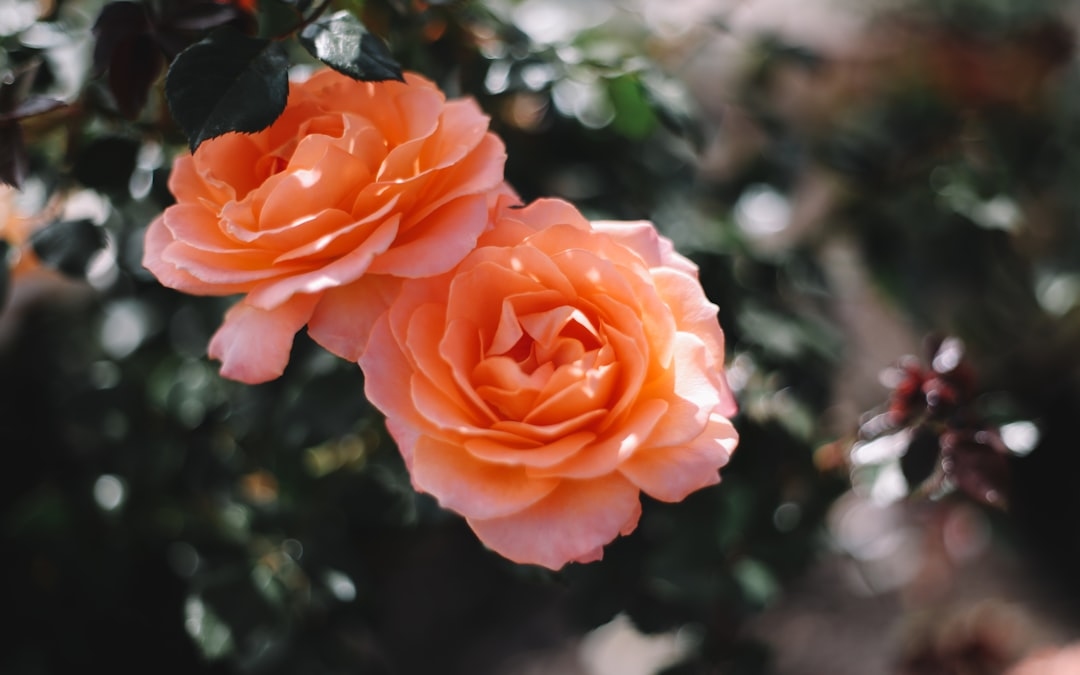
Garden roses, with their ruffled petals and intoxicating scent, are more than just another flower. Sold under names like David Austin, Alexandra Farms, and Meilland, these blooms mimic antique roses but with modern breeding for vase life and color range. While classic hybrid tea roses sell for $1-$2 per stem wholesale, garden rose stems for events often retail at $7-$15 each in 2026.
Florists agree: “Garden roses are universally loved by brides. But their pricing? Always a conversation,” says Carla Simmons, owner of Petal & Stem in Boston. “The garden roses I order for an event are entirely different from grocery roses–they’re a luxury product from tip to stem.”
How Garden Roses Are Grown and Sold
Short Growing Seasons, High Stakes
Garden roses are grown on specialized farms, mostly in Ecuador, Colombia, and Kenya. Unlike mass-market roses (bred for durability during shipping), event-grade garden roses are picked at a precise maturity to maximize beauty at a set date.
- Most garden rose varieties have a harvesting window of 8-12 months per year, not year-round.
- Farms must reserve their best stock months in advance for event floristry, limiting flexibility.
- Harvesting too early or too late drastically reduces vase life, leading to high waste rates.
Shipping and Storage Challenges
To arrive in perfect condition for a wedding or gala, garden roses are:
- Harvested at a specific bloom stage (neither bud-tight nor too open)
- Hydrated and chilled within hours
- Shipped overnight via refrigerated air freight
This process costs substantially more than standard cargo shipping for grocery roses.
“About 20-30% of event-grade garden roses are lost to transport or storage issues. Farms build this loss into their pricing,” says Miguel Herrera, logistics manager at Rosaprima Ecuador.
Event-Grade Roses vs. Everyday Roses: What’s Really Different?
| Factor | Grocery Store Roses | Event-Grade Garden Roses |
|---|---|---|
| Price (2026) | $1-$2/stem retail | $7-$15/stem retail |
| Vase Life | 10-14 days | 4-8 days |
| Fragrance | Mild or none | Strong, signature scent |
| Appearance | Uniform, tight heads | Ruffled, larger blooms |
| Handling | Machine processed | Hand-selected, hand-packed |
| Peak Seasons | Year-round | Seasonal (spring-fall) |
| Shipping | Mass shipment | Timed, small batch |
Demand Peaks and the Wedding Industry Effect
The Event Calendar Crunch
In the US, the bulk of weddings, graduations, and galas cluster from May to October. According to The Knot’s 2026 Real Weddings Study, over 75% of all US weddings in 2026 are slated for a five-month window.
Florists must compete for the finite supply of premium garden roses. Farms prioritize long-standing event clients, and wholesalers raise prices 50-100% during busy weeks (think: Memorial Day, Mother’s Day, and peak wedding weekends).
Pre-Event Rush Orders
Event florists typically place “just-in-time” orders, requesting stems at a very specific opening stage and color shade. Farms and importers add surcharges for rush harvesting, late changes, and small-lot customizations–all to guarantee perfect blooms.
Labor and Expertise: The Hidden Costs of Glamorous Blooms
Hand-Selection and Conditioning
Garden roses for events are never tossed in a cardboard box. Each stem is:
- Hand-selected for symmetry, petal count, and color match
- Individually sleeved to prevent bruising
- Double-inspected before export
Upon arrival, event florists spend hours “conditioning” each rose–removing guard petals, rehydrating, and controlling temperature to ensure they bloom exactly on event day. This labor can add $2-$4 in hidden cost per stem.
Waste and Replacement
For every perfect rose, at least one is culled due to mechanical damage or mis-timed bloom. Florists often over-order by 10-20% to cover unexpected losses–another reason for higher event pricing.
Timing, Logistics, and the Wildcard of Nature
The International Journey
Most of the garden roses at a US event have traveled 3,000+ miles. Weather disruptions, shipping delays, or customs holdups can wipe out a shipment in hours.
- In 2026, 41% of US event florists reported at least one rose shipment delayed by international freight issues, according to the American Institute of Floral Designers.
Sourcing and Premium Services
Major US flower importers, like Mayesh Wholesale Florist or Florabundance, offer “wedding-grade pulling teams”–florists pay extra to have elite staff hand-pick the highest quality from each shipment. This service drives up the price but dramatically reduces the risk of sub-par blooms at a $100,000 wedding.
American Floristry in 2026: Current Trends and Realities
Demand for garden roses in high-end weddings and events continues to skyrocket. Instagram and TikTok drive trends for new color palettes, rare varieties, and even custom-bred roses.
Impact of Social Media and Pop Culture
In 2026, #gardenroses remains one of the top floral hashtags, influencing event budgets nationwide. Florists report that requests for “Juliet David Austin” or “Romantic Antike” garden roses have tripled since 2022, according to Florists’ Review magazine.
Climate and Economics
Unpredictable weather–especially El Niño events–can severely disrupt production in South America, tightening supply and raising prices further for the US market. Exchange rate swings also impact dollar pricing every season.
Pull-Quote
“A garden rose isn’t just a flower–it’s a mini-masterpiece that takes months of care, international travel, and dozens of expert hands before it reaches your bouquet.”
– Carla Simmons, Petal & Stem
FAQ: Garden Rose Pricing and Event Floristry
Why do garden roses cost more in the US than in Europe?
Garden roses in the US incur higher air freight, stricter import regulations, and longer supply chains than in Europe, where local production is more common. This adds $2-$5 per stem compared to European prices.
Can I special order garden roses for a DIY event at a lower cost?
Wholesale garden roses are sometimes available to the public through US importers, but minimum order quantities (typically 48-100 stems) and shipping fees apply. Most event-quality roses go directly to professional florists.
Are locally grown garden roses cheaper?
In-season, some US flower farms (like Grace Rose Farm in California) offer locally grown garden roses in limited varieties. Prices are competitive to imported roses ($4-$10 per stem), but availability, color range, and vase life are more limited.
How far in advance should event florists order garden roses?
Event florists usually place orders at least 4-8 weeks in advance, especially for popular wedding dates. For uncommon colors or rare varieties, 3-6 months’ notice may be necessary in 2026.
What should clients know before requesting garden roses for an event?
Clients should budget for premium pricing ($7-$15 per stem retail), order early, and trust their florist’s expertise on seasonal availability. Flexibility on color or variety can save money and stress.
Planning with Garden Roses: What You Can Do
Thinking of using garden roses for your wedding or event? Start conversations early with your florist–well before the Save the Dates go out. Ask for seasonal alternatives if you’re on a budget, or splurge on a few show-stoppers for bouquets and table centerpieces. Want the rose look but not the rose price? Pair garden roses with local blooms or spray roses for the best of both worlds. In 2026, planning ahead (and a little flexibility) is the real secret to getting those dreamy, unforgettable flowers–without losing your shirt.