Contents:
- Why Gerbera Daisies Are So Popular With Florists (Direct Answer)
- A Rainbow That Never Fades: Gerbera Daisy Color Range
- Vase Life and Durability: Outlasting the Competition
- Strength in the Stem
- Year-Round Availability and Sourcing
- Fast Facts: Gerbera Production & Imports
- Versatility in Design–From Bold Statements to Delicate Accents
- Design Uses Florists Swear By
- Affordability: Big Impact, Modest Price
- Budget-Friendly, Not Basic
- Emotional Impact: Joy, Cheer, and Positivity
- Frequently Asked Questions About Gerbera Daisies
- How long do cut gerbera daisies last in a vase?
- Are gerbera daisies safe for pets?
- What is the best way to keep gerberas from drooping?
- Where are most US gerbera daisies grown?
- Can gerberas be grown at home in the US?
- Thinking Beyond the Bouquet: How to Use Gerbera Daisies in Your Next Arrangement
What Makes Gerbera Daisies So Popular With Florists
Stroll into any flower shop across the US, and there’s a good chance your eyes will catch a cluster of bold, joyful gerbera daisies front and center. In 2026, these vibrant blooms are outselling many classics–according to the American Floral Endowment, gerberas rank in the top five most-ordered cut flowers in US floristry, holding steady alongside roses, lilies, and tulips. What’s behind this enduring infatuation with gerbera daisies, from Los Angeles event designers to Midwest grocery florists? The reasons are as colorful as the flowers themselves.
Why Gerbera Daisies Are So Popular With Florists (Direct Answer)
Gerbera daisies are favored by American florists because they combine long vase life (typically 7-14 days), radiant colors, and a sturdy stem that holds up well in both arrangements and delivery. Grown extensively in the US and imported from top Dutch, Colombian, and California growers, gerberas are available year-round. Their cheerful appearance fits modern tastes, and their broad face draws attention in bouquets and centerpieces–making them a top choice for everything from weddings to everyday gifting.
A Rainbow That Never Fades: Gerbera Daisy Color Range
No other daisy species rivals the gerbera’s color spectrum. The market in 2026 boasts over 120 named cultivars, spanning nearly every shade imaginable except true blue. You’ll see:
- Classic white ‘Polar’, pale blush ‘Acapulco’, and high-impact red ‘Scarlet Appeal’
- Yellows and oranges in varieties like ‘Fireball’ and ‘Sunset’
- Hot pinks (‘Barbie Pink’), magentas, and even bi-color blends
Florists love this because it means a gerbera can fit almost any palette–weddings, corporate events, cheerful get-well arrangements, and even subtle sympathy tributes. Ashley Torres, lead designer at Petal Project NYC, says, “If my client envisions a color theme, I can always find a gerbera to match. Few other cut flowers offer that guarantee.”
“Gerberas are the Swiss Army knife of color in my cooler–there’s always a perfect shade.”
–Jesse Lin, Owner, Lakeview Florist, Chicago
Vase Life and Durability: Outlasting the Competition
Gerbera daisies are not just pretty faces–they’re workhorses. In the world of cut flowers, vase life can make or break a florist’s bottom line. A fresh-cut gerbera, properly conditioned, typically lasts 7 to 14 days. Compare that to standard daisies (5-7 days) or peonies (only 3-5 days), and you see why florists keep coming back.
| Flower Type | Average Vase Life (days) | Stem Strength | Popular Uses |
|---|---|---|---|
| Gerbera Daisy | 7-14 | High | Bouquets, events, gifting |
| Rose | 7-10 | Moderate | Romance, events, all-purpose |
| Peony | 3-5 | Low | Luxury bouquets, weddings |
| Tulip | 5-7 | Moderate | Spring, gifting |
Strength in the Stem
Modern gerbera cultivars are bred for sturdy, straight stems–critical for both hand-tied and foam-based arrangements. This resilience pays off, especially in the US where coast-to-coast shipping is common. FedEx data from 2025 showed that gerberas arrive in satisfactory condition 93% of the time, compared to 87% for more delicate cut flowers like hydrangeas.
Year-Round Availability and Sourcing
Unlike many seasonal flowers, gerberas are available every week of the year. The US market benefits from a robust domestic supply–California and Florida growers like Kitayama Brothers and Jet Fresh Flowers contribute significantly, reducing transit times and improving freshness. When demand peaks (think spring proms or late-summer weddings), American florists tap into international suppliers in the Netherlands and Colombia, seamlessly filling orders.
Fast Facts: Gerbera Production & Imports
- In 2026, California produced over 22 million gerbera stems, meeting nearly 60% of US demand.
- Leading US wholesalers–Mayesh, Florabundance, and FiftyFlowers–stock at least 40+ gerbera varieties year-round.
- Fast farm-to-florist delivery means fresh blooms even in winter, with minimal storage required.
Versatility in Design–From Bold Statements to Delicate Accents
Walk into an FTD member shop or an independent boutique in 2026, and you’ll spot gerberas starring in everything from sleek, modern cubes to lush, wildflower-inspired bouquets. Their large bloom (2-5” diameter) can anchor an arrangement or add a playful accent.
Design Uses Florists Swear By
- Monobotanical Bouquets: All-gerbera styles are youthful and budget-friendly–popular for birthdays and campus flower delivery.
- Mixed Arrangements: Their broad face balances roses, lilies, and textural fillers like waxflower or seeded eucalyptus.
- Event Decor: Large, vibrant heads “pop” in photos–ideal for branded galas or product launches.
Kaitlyn Smith, creative lead at Urban Roots Dallas, notes, “Gerberas are the only flower that feel both casual and upscale. You can send them to a friend, or use them in $2,000 wedding arches.”
Affordability: Big Impact, Modest Price
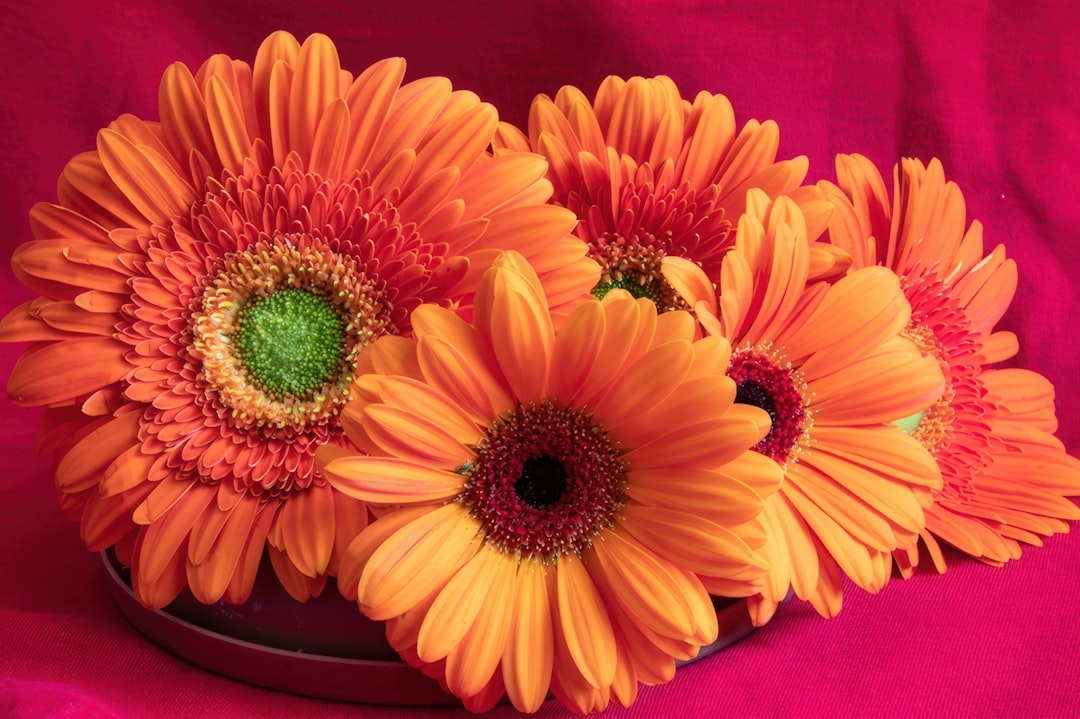
Compared to roses or peonies–especially around Valentine’s Day or wedding season–gerbera daisies offer impressive value. In 2026, retail prices average $2-$4 per stem in the US, with bulk discounts available to event planners and subscription services. For cost-conscious consumers and florists alike, this means you can build dynamic, large-scale designs without breaking the bank.
Budget-Friendly, Not Basic
Florists for Whole Foods, Trader Joe’s, and BloomsyBox have leaned into this advantage, offering weekly gerbera specials and mixed bouquets featuring the flower as a centerpiece. The approachable price also lets designers take creative risks, experimenting with color blocking or oversized installations.
Emotional Impact: Joy, Cheer, and Positivity
There’s an unspoken psychology to why gerberas are perennially popular. Their cartoon-perfect geometry and vivid colors evoke happiness and optimism, making them a natural choice for celebrations or “just because” bouquets. A Rutgers University study (2024) confirmed that recipients of gerbera arrangements reported higher initial mood boosts than those who received traditional carnations or mums.
Florists know this–they’ll often suggest gerberas when someone says “something cheerful” or “something to brighten their day.” Their universal symbolism (innocence, purity, joy) also sidesteps the complex “flower language” issues that sometimes complicate rose or lily gifts.
Frequently Asked Questions About Gerbera Daisies
How long do cut gerbera daisies last in a vase?
Most cut gerbera daisies will stay fresh for 7-14 days, especially if you recut stems, change water frequently, and avoid direct sunlight. Some florists recommend adding a floral preservative for best results.
Are gerbera daisies safe for pets?
Yes, according to the ASPCA, gerbera daisies are non-toxic to dogs and cats. However, it’s always wise to discourage chewing, as all plant matter can cause mild stomach upset in some pets.
What is the best way to keep gerberas from drooping?
Florists suggest inserting a floral support wire into the stem, changing the vase water daily, and cutting stems at an angle. Keeping the flowers cool (around 65°F) extends vase life and keeps stems upright.
Where are most US gerbera daisies grown?
In 2026, the majority of US-grown gerbera daisies come from California (especially Santa Cruz and San Diego counties) and Florida. Additional supplies are imported from Colombian and Dutch growers.
Can gerberas be grown at home in the US?
Absolutely! Gerberas thrive as annuals in most US climates (USDA zones 8-11) and as potted plants everywhere. They need full sun, well-drained soil, and protection from frost.
Thinking Beyond the Bouquet: How to Use Gerbera Daisies in Your Next Arrangement
With all the reasons gerbera daisies have won over American florists–dazzling color, durability, budget-friendliness, and year-round availability–it’s easy to see why they’re more than just a passing trend. Next time you’re picking up flowers, consider asking your florist for a few creative gerbera uses: try a bold monochrome arrangement, tuck a few into your next dinner party centerpiece, or go big with a mixed bouquet for maximum joy. The options are as limitless as the colors on offer–and your vase will never look the same again.