Contents:
- What Is the Meaning of Flowers in the Mexican Day of the Dead?
- Why Marigolds? The Legend and Symbolism of Cempasúchil
- The Heart of the Altar
- Ancient Roots
- Flowers Commonly Used in Day of the Dead–and What They Mean
- Modern Adaptations
- How Flowers Are Used: Altars, Gravesites, and Community Spaces
- Ofrendas: The Heart of the Home
- Public Memorials and Parades
- Gravesite Offerings
- Flower Arranging Tips for Día de los Muertos in the US
- Buying Fresh Marigolds
- DIY Arrangements
- Cultural and Spiritual Significance: More Than Decoration
- Stories from the Community
- Symbolism Versus US Traditions
- FAQ: Flowers and Day of the Dead
- What flowers are most important for Day of the Dead?
- Can I use non-traditional flowers for Day of the Dead altars?
- Where can I buy marigolds for Day of the Dead in the US?
- What do different flower colors symbolize in Día de los Muertos?
- How long do Day of the Dead flowers last?
- Looking Ahead: Keeping Traditions Alive with Flowers
The Meaning of Flowers in Mexican Day of the Dead
Picture a street in Oaxaca on November 1st: the air hums with marigold scent, altars flicker with candlelight, and vibrant petals line every step. Across Mexico and in Latino communities throughout the US, Day of the Dead (Día de los Muertos) transforms flowers from mere decoration into deep symbols of love, memory, and cultural resilience. If you’ve ever wondered why marigolds appear everywhere–or why florists like LA-based Flores Bonitas see a 300% sales spike the week before Día de los Muertos–the answers are rooted in history, myth, and heartfelt tradition.
What Is the Meaning of Flowers in the Mexican Day of the Dead?
Flowers, especially the marigold (cempasúchil), play a central role in Day of the Dead celebrations. They serve both as offerings to welcome returning spirits and as bright guides, believed to help ancestors find their way home. Each type and color of flower used on altars (ofrendas) or graves carries its own meaning, from remembrance and love to protection and hope. In 2026, marigolds remain the most popular, but roses, chrysanthemums, and baby’s breath are also commonly used in US-based Día de los Muertos observances.
Why Marigolds? The Legend and Symbolism of Cempasúchil
The Heart of the Altar
Even in Miami or Houston, the orange-gold hue of marigolds–the iconic cempasúchil–dominates Day of the Dead altars. Why marigolds? The answer is both botanical and mythical. Indigenous Mexicans believed this flower held the warmth of the sun, attracting spirits with its scent and color.
According to Dr. Sylvia Ramos, cultural botanist at University of California, Riverside, “Cempasúchil’s vibrant color is said to light the path for returning souls, a tradition that spans more than 3000 years. The unique aroma is believed to awaken the memory of loved ones.”
Ancient Roots
Marigold petals are scattered on roads and doorways, guiding spirits from the world of the dead back to their families. This ritual goes back to the Aztec festival honoring the goddess Mictecacihuatl, the Lady of the Dead.
Fast Facts:
- Cempasúchil means “twenty flower” in Nahuatl.
- In 2026, 82% of Mexican-Americans celebrating Day of the Dead report using marigolds, according to Pew Research Center.
Flowers Commonly Used in Day of the Dead–and What They Mean
Día de los Muertos altars in the US reveal a fascinating blend of traditional and local blooms. Here’s a quick guide:
| Flower | Spanish Name | Meaning | US Availability | Popular Uses |
|---|---|---|---|---|
| Marigold | Cempasúchil | Life, guidance, hope | Abundant (Oct-Nov) | Altars, garlands |
| Chrysanthemum | Crisantemo | Death, honor | Widely available | Wreaths, bouquets |
| Baby’s Breath | Nube | Purity, celebration | Common, affordable | Filler, crowns |
| White Calla Lily | Alcatraz | Elegance, remembrance | Premium florists | Candle displays |
| Red Rose | Rosa | Love, blood, memory | Year-round | Heart-shaped decor |
| Purple Statice | Siempreviva | Mourning, eternity | Specialty shops | Accent stems |
Modern Adaptations
In large US cities, florists add touches of orchids, sunflowers, or even succulents to suit local tastes–while still echoing traditional symbolism. Online flower delivery services like UrbanStems and Teleflora now offer Day of the Dead arrangements, with prices averaging $50-$120 in 2026.
How Flowers Are Used: Altars, Gravesites, and Community Spaces
Ofrendas: The Heart of the Home
The centerpiece of any Day of the Dead celebration is the ofrenda–a home altar honoring lost loved ones. Flowers crown these displays. Marigold petals form trails from the front door to the altar, symbolizing a path between worlds. Arrangements often surround heirlooms, favorite foods, candles, and photos.
Public Memorials and Parades
In US cities like Los Angeles, Chicago, and San Antonio, public altars bloom in parks and community centers. Organizers like the National Museum of Mexican Art in Chicago commission massive marigold murals and offer free floral workshops for families.
Gravesite Offerings
Many Mexican-American families visit cemeteries with buckets of fresh marigolds and roses. By law, most California and Texas cemeteries allow real flowers only during this week–a policy honoring both tradition and environmental sustainability.
Flower Arranging Tips for Día de los Muertos in the US
Buying Fresh Marigolds
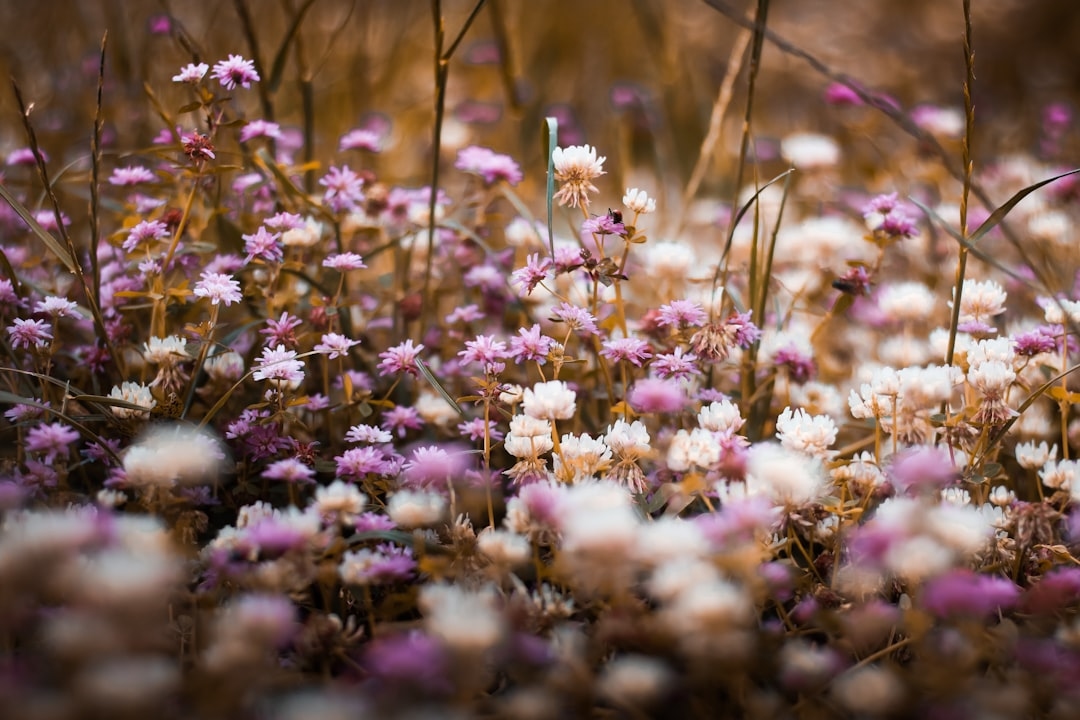
In 2026, marigolds are grown in California, Texas, and Florida specifically for November demand. Major supermarkets (like H-E-B, Ralphs, and Fiesta Mart) stock bunches in the $12-$18 range per bouquet.
Tips from Florist Ana Morales (NYC’s La Florecita, est. 1998):
“Look for marigolds with deep color and a strong, peppery scent–the fresher the better. If you can’t find cempasúchil, mix orange zinnias or yellow daisies for a similar look.”
DIY Arrangements
- Petal Paths: Pluck marigold petals to form a welcome trail from your doorstep to your altar.
- Flower Crowns: Use baby’s breath and mini marigolds for wearable tributes, now trending with US teens.
- Bouquet Care: Change water daily and add a splash of lemon juice to extend marigold life by 2-3 days.
Cultural and Spiritual Significance: More Than Decoration
Florists and families agree: these flowers aren’t just beautiful–they’re sacred messages. For many, each stem placed on an ofrenda is a silent conversation with the past.
Stories from the Community
María Hernández of San Antonio describes placing marigolds on her abuela’s grave:
“I grew up thinking the petals were like little lanterns. When we lay them down, it’s like saying, ‘Come inside, we remember you.’”
Symbolism Versus US Traditions
Unlike American funerals, where lilies or carnations often mean solemnity or loss, Day of the Dead blooms pulse with vibrancy and life. It’s not mourning, but a reunion.
FAQ: Flowers and Day of the Dead
What flowers are most important for Day of the Dead?
Marigolds (cempasúchil) are most significant due to their color, scent, and deep traditions. Chrysanthemums, roses, and calla lilies are also meaningful and widely used, especially by US-based families.
Can I use non-traditional flowers for Day of the Dead altars?
Yes. While marigolds are traditional, families often use local, seasonal flowers. The intent to honor loved ones matters more than strict adherence to tradition.
Where can I buy marigolds for Day of the Dead in the US?
Look for fresh marigolds at Latino supermarkets, US-based florists, or online delivery services like UrbanStems, which add seasonal stock in late October. Prices in 2026 range from $10 for small bunches to $120 for elaborate arrangements.
What do different flower colors symbolize in Día de los Muertos?
- Orange/yellow: Life, hope, guidance (marigold)
- White: Purity, innocence (calla lily, baby’s breath)
- Red: Love, blood, sacrifice (rose)
- Purple: Mourning, spiritual reflection (statice)
How long do Day of the Dead flowers last?
Fresh marigolds usually last 5-7 days indoors, or 2-3 days outside, depending on weather. Keeping stems in clean water and away from direct sunlight extends their life.
Looking Ahead: Keeping Traditions Alive with Flowers
This year, why not build your own ofrenda–even if you don’t have marigolds on hand? Gather friends or family, share stories, and let flowers–local or traditional–help connect you with memory and joy. Because every petal, every scent, every splash of color is an invitation: to remember, to celebrate, and to carry these stories forward for generations to come.