Contents:
- What are Greek Orthodox funeral flower customs? (Direct Answer)
- The Meaning Behind Flowers in Greek Orthodox Funerals
- White as a Symbol of Purity
- Traditional Flowers and Their Meanings
- Why Not Bright Colors?
- Types of Greek Orthodox Funeral Flower Arrangements
- When and Where Should Flowers Be Sent?
- Timing Matters
- Sending Flowers to the Family Home
- Flowers, Ritual, and the Greek Orthodox Funeral
- The Makaria (Mercy Meal)
- Forty-Day Memorials and Flower Use
- The Use of Incense and Flowers Together
- Comparing Greek Orthodox and Other American Funeral Flower Traditions
- Tips for Choosing Funeral Flowers for a Greek Orthodox Service
- FAQ: Greek Orthodox Funeral Flowers
- What flowers should you send to a Greek Orthodox funeral?
- Can I send flowers to the family’s home after the funeral?
- Are standing sprays or wreaths preferred over vases?
- Should flowers include religious symbols for a Greek Orthodox funeral?
- Are there any specific messages to include on the sympathy card?
- Looking Ahead: Ordering with Thoughtfulness
Greek Orthodox Funeral Flower Customs
On a gray morning in Queens, the fragrance of fresh lilies mingles with incense as mourners file quietly into St. Nicholas Greek Orthodox Church. Their arms are full: not just with sorrow, but with armfuls of white blooms. Flowers speak a language all their own here–one that is centuries old. The floral rituals surrounding Greek Orthodox funerals are both profoundly beautiful and steeped in symbolism, reflecting ancient traditions that persist even in bustling American cities.
What are Greek Orthodox funeral flower customs? (Direct Answer)
Greek Orthodox funeral flower customs center on simplicity, respect, and spiritual symbolism. White flowers–especially lilies, carnations, and roses–are most common, signifying purity and the soul’s journey. Wreaths and standing sprays are typical arrangements, placed near the casket or icon. Unlike some traditions, elaborate or brightly colored displays are discouraged, as modesty is highly valued. Sending flowers to the funeral home or church is customary, but it’s rare to send them to the family’s home after services. Flowers honor the deceased while reminding mourners of hope and resurrection in Greek Orthodox faith.
The Meaning Behind Flowers in Greek Orthodox Funerals
While flowers are universal gestures of sympathy, their use in Greek Orthodox funerals is ancient and specific. Each bloom and color is chosen with intent, echoing the church’s teachings about death and afterlife.
White as a Symbol of Purity
White dominates Greek Orthodox funeral flowers. According to Anna Papadakis, owner of Petal & Vine Florist in Chicago and an active parishioner, “We recommend white lilies, white roses, and white carnations almost exclusively. The color symbolizes the purity of the soul and the promise of resurrection.”
Saint Basil the Great, a fourth-century theologian, even likened the white lily to spiritual innocence. The tradition continues in 2026, with top US florists reporting that over 65% of Orthodox funeral orders specify all-white arrangements.
Traditional Flowers and Their Meanings
Common flowers include:
- Lilies: Resurrection and innocence
- Roses: Love and reverence (white or cream only)
- Carnations: Purity and admiration
Chrysanthemums, often used in Asian funeral traditions, are less common in Greek Orthodox services but may be blended in for Americanized arrangements.
Why Not Bright Colors?
Greek Orthodox faith emphasizes humility, especially in mourning. Pastel and bright flowers might be considered inappropriate or even disrespectful. Red roses, for example, are reserved for saints’ days or wedding crowns, not mourning.
Types of Greek Orthodox Funeral Flower Arrangements
The arrangement style matters as much as the blooms themselves. Here’s what typically appears at Orthodox funeral services in the US.
| Arrangement Type | Typical Size | Symbolism | Estimated Price (2026 USD) |
|---|---|---|---|
| Standing Spray | 2-4 feet tall | Respect, remembrance | $180-$350 |
| Wreath | 18-36 inches round | Eternal life, unity | $200-$400 |
| Casket Blanket | 2-5 feet long | Comfort, protection | $300-$600 |
| Basket Arrangement | Medium or large | Sympathy, support | $125-$250 |
Most churches and funeral homes work with local florists to ensure arrangements are delivered on time. Some families choose to include a single icon or cross as part of the display–a detail especially respected in Orthodox settings.
When and Where Should Flowers Be Sent?
Custom dictates that flowers should be sent to the wake or funeral service, not the family’s home. This distinction is rooted in Orthodox practice and the community-based nature of mourning.
Timing Matters
- Before the Wake/Viewing: Arrangements typically arrive 1-2 hours in advance. Services like 1-800-Flowers and Teleflora offer “same-day delivery” for Greek Orthodox funerals, but it’s better to order 24-48 hours ahead if possible.
- At the Church: Flowers are placed near the casket or the iconostasis (altar screen). The family might specify “no flowers” in rare cases; always check first.
- After the Funeral: In most American contexts, remaining flowers are left at the gravesite or used to decorate the church for Sunday liturgy.
Sending Flowers to the Family Home
Unlike in some US funeral traditions, sending large arrangements to the family home after the burial is not customary and may even be seen as overwhelming. Instead, donations to a church or favorite charity are often suggested.
“A single white bouquet before the service is both respectful and traditional. Anything more can feel excessive for many Orthodox families,” notes Eleni Stavros, FTD-certified florist and member of St. George Greek Orthodox Church in Boston.
Flowers, Ritual, and the Greek Orthodox Funeral
Flowers in Greek Orthodox funerals are not just decoration–they’re woven into sacred ritual.
The Makaria (Mercy Meal)
After the burial, the makaria (mercy meal) brings family and friends together to remember the departed. Occasionally, a small floral centerpiece graces the communal tables, but these are understated: a vase of white carnations or a sprig of myrtle, another symbol of eternal life.
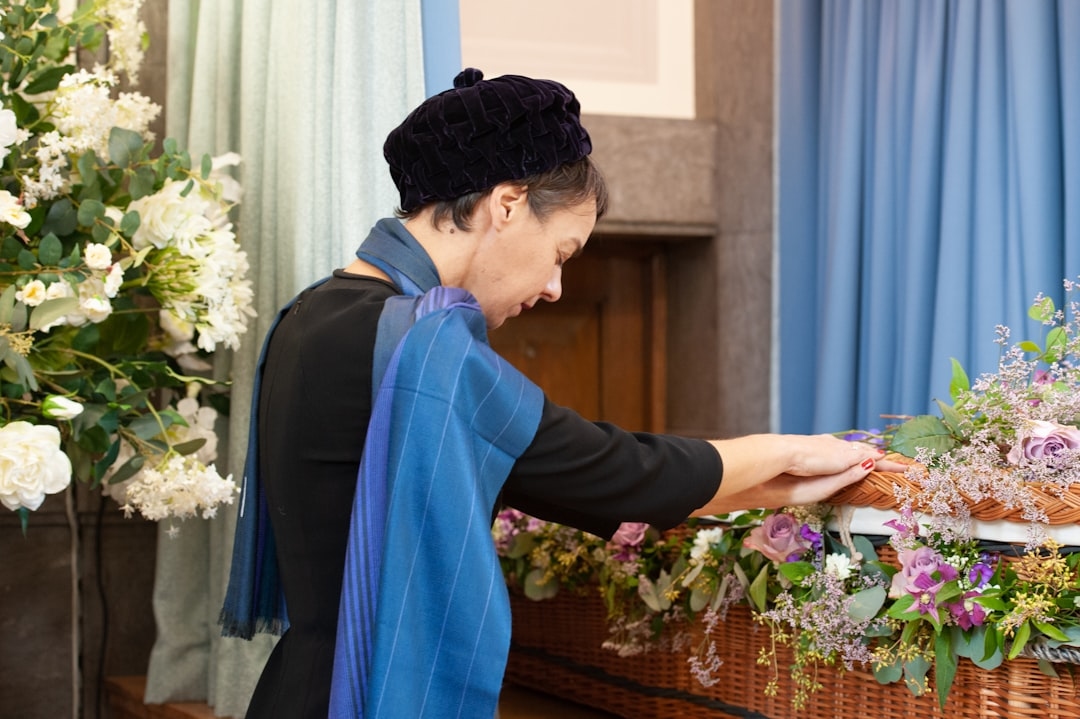
Forty-Day Memorials and Flower Use
The mourning period doesn’t end at the funeral. Orthodox Christians observe memorial services at 40 days, six months, and annually. At these services, families might bring koliva (wheat berry dish) adorned with a few simple flowers, usually white violets or chrysanthemums.
The Use of Incense and Flowers Together
Incense is equally prominent, blending with the flowers’ fragrance in a sensory tribute. The combination, says Father Markos Ioannou of St. Sophia Cathedral in Los Angeles, “reminds us that our prayers–and the soul of the departed–rise heavenward.”
Comparing Greek Orthodox and Other American Funeral Flower Traditions
Funerals in the US are as diverse as the communities who observe them. Here’s how Greek Orthodox floral customs compare to others you may know:
| Custom | Greek Orthodox | Protestant/Catholic US | Jewish US |
|---|---|---|---|
| Color Preference | White only (mostly) | Wide range, including brights | Rare/no flowers |
| Arrangement Style | Standing sprays, wreaths, simple | Casket sprays, bouquets, custom | None or simple bouquets |
| Sending to Home | Not typical | Common for sympathy | Rare |
| Symbolic Emphasis | Purity, resurrection | Remembrance, celebration | Respectful presence |
| Presence at Gravesite | Yes, often left behind | Yes, flowers left at graves | Stones, not flowers |
Tips for Choosing Funeral Flowers for a Greek Orthodox Service
Ordering for an Orthodox funeral is straightforward, but a few details will ensure your gesture is well received.
- Stick to White or Cream: Always safest, never inappropriate.
- Include a Sympathy Card: Short, sincere messages (“Memory Eternal” is traditional).
- Choose Simplicity Over Flashiness: Understated elegance is valued.
- Consult the Funeral Home or Church: Some parishes have guidelines or preferences.
FAQ: Greek Orthodox Funeral Flowers
What flowers should you send to a Greek Orthodox funeral?
White lilies, roses, and carnations are most appropriate. Avoid brightly colored or ostentatious arrangements.
Can I send flowers to the family’s home after the funeral?
No, it’s not traditional in Greek Orthodox practice to send flowers to the home after the service. Sympathy cards or donations to a charity are more customary.
Are standing sprays or wreaths preferred over vases?
Yes. Standing sprays, wreaths, and casket blankets are preferred for services. Vase arrangements are less common.
Should flowers include religious symbols for a Greek Orthodox funeral?
You may include a small cross or icon in the arrangement, but consult with the florist and family to be sure.
Are there any specific messages to include on the sympathy card?
Simple messages such as “With deepest sympathy” or the traditional “Memory Eternal” are appropriate for Greek Orthodox funerals.
Looking Ahead: Ordering with Thoughtfulness
Choosing flowers for a Greek Orthodox funeral isn’t just about selecting blooms–it’s about honoring centuries of tradition and offering comfort that transcends words. The next time you order flowers for this sacred rite, remember the power of simplicity and meaning behind each petal. For the American Greek Orthodox community, these small gestures carry a legacy of hope and remembrance.
If you’re unsure, speak to both the local parish and a florist familiar with Orthodox customs. Respectful care today ensures your gesture will be cherished tomorrow.