Contents:
- What Flowers Are Safe for Chemo Patients? (Quick Answer)
- Why Some Flowers Trigger Chemotherapy Side Effects
- Unscented, Low-Pollen Flowers: Your Go-To List
- Orchids: Elegant and Safe
- Roses: Not All Are Equal
- Gerbera Daisies: Bright, Non-Irritating
- Alstroemeria: The Peruvian Lily’s Quiet Cousin
- Tulips & Hydrangeas: Springtime Favorites
- Succulents: Unexpected, but Perfect
- Flowers and Plants to Avoid for Chemo Patients
- Highly Fragrant Blooms
- Allergy Triggers
- Foliage Concerns
- Caring for “Chemo-Safe” Flower Arrangements
- Clean Arrangement Practices
- Artificial and Dried Flowers: Are They Safe?
- Gift Ideas: Beyond Traditional Bouquets
- Potted Orchids & Succulents
- Flower Subscriptions
- Non-Flower Comforts
- Navigating Hospital Rules in the US (2026)
- FAQ: Flowers for Chemo Patients
- What flowers are best for someone undergoing chemotherapy?
- Can I send flowers to a cancer patient in the hospital?
- Are artificial flowers a good alternative for chemo patients?
- Why are certain flowers dangerous for chemo patients?
- What non-floral gifts are appropriate for chemo patients?
- Moving Forward: How to Send a Thoughtful, Safe Gift
Flowers That Won’t Bother Chemo Patients
White lilies in a quiet hospital room. Sunbeams flicker on the glossy petals, but the scent is overpowering. For someone undergoing chemotherapy, a lovely gesture can quickly become unbearable. Sensitivity to smells, pollen, and even dust isn’t just an inconvenience–it’s a harsh reality for many cancer patients. Gifting flowers gets tricky, but there are safe, beautiful options.
What Flowers Are Safe for Chemo Patients? (Quick Answer)
The best flowers for chemotherapy patients are unscented, pollen-free blooms. Look for:
- Orchids (especially Phalaenopsis)
- Gerbera daisies
- Roses (light or unscented varieties)
- Hydrangeas
- Tulips
- Succulents (flowering varieties)
- Alstroemeria
Avoid highly fragrant flowers like lilies, freesia, hyacinth, and any blooms that shed pollen or petals easily. Go for arrangements in fresh, unused soil or floral foam kept free from mold or bacteria. Always check hospital policy–some units ban all live plants and flowers.
Why Some Flowers Trigger Chemotherapy Side Effects
Chemotherapy’s side effects read like a laundry list: nausea, headaches, dry mouth, hyper-sensitive smell. According to Dr. Nina Patel, an oncologist at the Cleveland Clinic, “About 65% of my patients report an increased sensitivity to scent and pollen during treatment. Even a mild fragrance can cause severe nausea or headaches.”
Cells affected by chemo make the body more vulnerable to infections. Heavily pollinating flowers can drop dust, mold spores, and pollen, which aren’t just annoying–they can be dangerous. Even small bouquets can harbor invisible mold, especially if water isn’t changed daily.
Unscented, Low-Pollen Flowers: Your Go-To List
Orchids: Elegant and Safe
- Phalaenopsis orchids (moth orchids) top the list. They’re virtually scentless, allergy-safe, and long-lasting (3-4 weeks with care).
- American florists like UrbanStems and 1-800-Flowers list single-stem Phalaenopsis arrangements for $45-$90 in 2026.
Roses: Not All Are Equal
- Hybrid tea roses from US growers such as Peterkort or Green Valley have minimal or no scent in many color choices.
- Spray roses (miniature varieties) are popular in hospital arrangements–no pollen drop, sturdy, and come in cheerful colors.
Gerbera Daisies: Bright, Non-Irritating
- Vivid, cheerful, and pollen-free.
- A 2026 survey by the American Society of Florists found gerberas as the top “hospital safe” flower, with 77% of florists recommending them for patients.
Alstroemeria: The Peruvian Lily’s Quiet Cousin
- Not a true lily (and not fragrant), but full of color.
- No scent, no pollen drop, and blooms last up to two weeks. A trusted staple in “get well soon” bouquets.
Tulips & Hydrangeas: Springtime Favorites
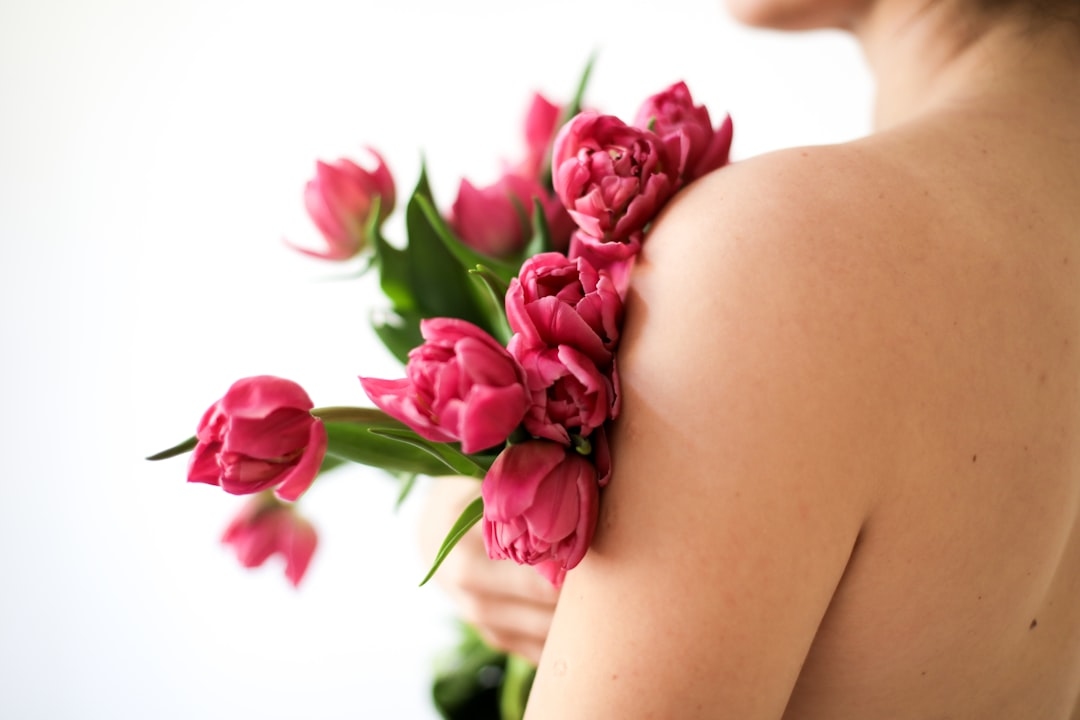
- Tulips (especially greenhouse-grown in the US) have undetectable scent and tight petals.
- Hydrangeas offer mass and color with almost zero pollen and no smell.
Succulents: Unexpected, but Perfect
- Flowering varieties like Christmas cactus or Kalanchoe add greenery and subtle blooms, ideal for patients not allowed cut flowers.
A Quick Comparison
| Flower | Scent Level | Pollen | Bloom Longevity | US Price (2026) |
|---|---|---|---|---|
| Phalaenopsis | None | None | 3-4 weeks | $45-$90 |
| Gerbera Daisy | None | Minimal | 7-10 days | $30-$60/bunch |
| Rose | Low/None | Minimal | 7-14 days | $40-$120/dozen |
| Alstroemeria | None | Minimal | 12-14 days | $25-$50/bunch |
| Tulip | None | Minimal | 5-7 days | $30-$60/bunch |
| Hydrangea | None | None | 5-9 days | $35-$70/stem |
Flowers and Plants to Avoid for Chemo Patients
Highly Fragrant Blooms
- Lilies (Oriental, Stargazer, Tiger)
- Freesia
- Hyacinth
- Gardenia
- Jasmine
Their powerful scent can cause intense nausea, even in tiny arrangements.
Allergy Triggers
- Chrysanthemums (can shed pollen dust)
- Sunflowers
- Daisies (other than Gerbera)
- Daffodils
Foliage Concerns
- Eucalyptus, pine, and strong-smelling greens release volatile oils that can worsen chemo-related nausea.
“Hospitals are right to ban lilies and hyacinths. I’ve seen patients get headaches and queasiness within minutes,” says Lily Evans, lead designer at Manhattan’s Petal & Stem (certified florist, 15+ years).
Caring for “Chemo-Safe” Flower Arrangements
Clean Arrangement Practices
- Use sterilized vases (dishwasher-safe glass preferred).
- Fresh, filtered water changed daily.
- Remove any leaves below the water line to prevent bacterial growth.
- Avoid floral foam unless it’s labeled as anti-microbial and change water as recommended.
Artificial and Dried Flowers: Are They Safe?
- Silk or paper flowers are allergy-safe, but check that they’re dust-free and gently wipe or air-blow before gifting.
- Dried flowers can harbor mold spores, so they’re best avoided.
Gift Ideas: Beyond Traditional Bouquets
Potted Orchids & Succulents
- Minimal maintenance, no mess.
- Opt for ceramic or glazed pots (not porous clay, which can harbor bacteria).
Flower Subscriptions
- Brands like Bouqs Co. and UrbanStems offer “hospital-safe” subscriptions–biweekly or monthly blooms handpicked for allergy sensitivity.
Non-Flower Comforts
- Pair a small, safe bouquet with a cozy throw, warm socks, or a gentle hand lotion (unscented).
- Add a handwritten note or a photo for an extra thoughtful touch.
Navigating Hospital Rules in the US (2026)
Most major American hospitals, like Mayo Clinic and NYU Langone, have clear policies for oncology units. In 2026, about 54% of US cancer-care centers ban all fresh flowers and plants due to infection risk (per American Hospital Association data). Always:
- Call the hospital gift shop or patient floor first
- Choose delivery via florist familiar with hospital protocols
- For home recovery, follow patient’s doctor or nurse advice
“Some units allow only cut flowers in water (never potted),” notes Andrea Wu, RN, Oncology Nurse at Johns Hopkins, “and absolutely no soil or floral foam.”
FAQ: Flowers for Chemo Patients
What flowers are best for someone undergoing chemotherapy?
Unscented and low-pollen flowers, such as orchids, gerbera daisies, tulips, hydrangeas, and unscented roses, are safest for chemo patients. Avoid highly fragrant or pollen-heavy blooms.
Can I send flowers to a cancer patient in the hospital?
Many US hospitals restrict or ban flowers in oncology units due to infection risk. Call ahead to confirm hospital policy before sending any arrangement.
Are artificial flowers a good alternative for chemo patients?
Silk or paper flowers are allergy-safe and suitable, provided they are dust-free and clean. Avoid dried flowers, which can harbor mold spores.
Why are certain flowers dangerous for chemo patients?
Chemo makes patients sensitive to scents, pollen, and potential bacteria or mold from water, soil, and floral foam. These can trigger nausea, headaches, or even infections.
What non-floral gifts are appropriate for chemo patients?
Consider cozy blankets, unscented lotions, soft hats or scarves, puzzle books, or a handwritten note paired with a small, safe floral arrangement.
Moving Forward: How to Send a Thoughtful, Safe Gift
Think beyond tradition. A well-chosen bouquet doesn’t just brighten a room–it brings comfort without side effects. Check your local florist’s “chemo-friendly” options. Pair flowers with a personal gesture or a practical gift. If you’re ever in doubt, simply ask the recipient or their care team. In 2026, sensitivity is more than a trend–it’s the new standard of care.