Contents:
- Quick Answer: What Flowers Can Be Air Dried Successfully?
- Why Air Dry Flowers at Home in 2026?
- The Science: How Air Drying Flowers Actually Works
- What Happens During Air Drying?
- Factors That Matter
- What Flowers Air Dry Well (And What to Skip)
- Winners: Top Flowers for Air Drying
- Losers: Flowers That Don’t Air Dry Well
- Step-by-Step: How to Air Dry Flowers Properly
- Prepare Your Flowers
- Hang or Lay Flat
- Wait–But Don’t Ignore
- When Are They Done?
- Common Problems With Air Drying Flowers (And How to Fix Them)
- Faded Colors
- Droopy or Flat Blooms
- Mold and Mildew
- Petal Drop
- Alternatives: When Air Drying Doesn’t Work
- Silica Gel Drying
- Pressing
- Microwave Drying
- Caring for Air Dried Flowers: Make Them Last
- Air Drying Flowers FAQs
- What is the fastest way to air dry flowers?
- Can I air dry flowers in a humid climate?
- Do air dried flowers keep their fragrance?
- Can I dry flowers out of a bouquet from 1-800-Flowers or FTD?
- How do I keep air dried flowers from fading?
- What’s Next? Turn Dried Blooms Into Art
Air Drying Flowers: What Works and What Doesn’t
Picture this: a bundle of garden roses, hand-tied with twine, hanging upside down from a kitchen rack–preserved in time long after their petals would have dropped. Air drying flowers isn’t just a rustic DIY fad; it’s an age-old tradition making a comeback in American homes. But not every flower, nor every method, is set up for success. Want to avoid moldy blooms and faded disappointments? Here’s the real story on what works (and what flops) when air drying flowers.
Quick Answer: What Flowers Can Be Air Dried Successfully?
The best flowers for air drying are those with sturdy petals and strong stems. Great options include statice, baby’s breath, lavender, strawflower, globe amaranth, and roses. Delicate or moisture-heavy blooms–think tulips, lilies, or hydrangeas–typically don’t air dry well without special treatment. The key is low humidity, darkness, and a bit of patience.
Why Air Dry Flowers at Home in 2026?
More Americans are bringing the outdoors inside, with dried flower arrangements topping 2026’s floral décor trends. According to the American Society of Florists, dried flower sales rose 22% last year. Dried bouquets cost less in the long run, last for years, and carry sentimental value–preserving a wedding bouquet or a backyard harvest.
Air drying also beats chemical preservatives or silica gel in simplicity and sustainability. No need to order specialty products from Amazon or hunt down a flower-drying kit at Michaels. With a little string and a closet, you’re set.
The Science: How Air Drying Flowers Actually Works
What Happens During Air Drying?
Air drying works by allowing moisture to evaporate naturally from the stems and petals. The best results come from slow dehydration in a dry, dark place–think linen closets, basements, or a shaded attic corner. Direct sunlight can bleach color; humidity can spell disaster. Most blooms are fully dried in 2-4 weeks.
Horticulturist Dr. Lisa Granger, PhD (Cornell University), explains:
“Flowers with papery petals–such as statice or strawflower–retain shape and color best. Succulent or delicate blooms collapse because their cell walls don’t hold up as they lose water.”
Factors That Matter
- Flower Structure: Sturdy, papery flowers hold up; fleshy or soft-petaled ones don’t.
- Environment: Dry (less than 40% humidity), dark, and with good airflow.
- Timing: Harvest flowers at peak bloom–too late, and petals may drop.
What Flowers Air Dry Well (And What to Skip)
Winners: Top Flowers for Air Drying
These classics hold their shape and color:
| Flower | Best Time to Harvest | Drying Time | Color Retention |
|---|---|---|---|
| Statice | Full bloom | 2 weeks | Excellent |
| Baby’s Breath | Slightly open buds | 1-2 weeks | Very good |
| Lavender | Before full bloom | 1-2 weeks | Excellent |
| Globe Amaranth | Fully open | 2-3 weeks | Good |
| Strawflower | Slightly open | 3-4 weeks | Excellent |
| Roses (small) | Just opening | 2-3 weeks | Good |
| Eucalyptus | Young stems | 2 weeks | Good |
Tip: For maximum success, strip excess foliage from stems–leaves often get moldy.
Losers: Flowers That Don’t Air Dry Well
Avoid these unless you’re experimenting or using silica gel:
- Tulips: Petals shrivel and fade.
- Lilies: Brown and drop petals.
- Dahlias: Heads collapse and discolor.
- Hydrangeas: Turn brown unless dried while still partly green.
- Gardenias: Brown and shrivel quickly.
Florist Tessa Monroe, owner of Brooklyn Blooms:
“For sentimental bouquets–like big-headed roses from Valentine’s or peonies from a wedding–consider professional preservation or resin casting instead of air drying.”
Step-by-Step: How to Air Dry Flowers Properly
Prepare Your Flowers
- Cut stems at an angle, ideally in the morning before the sun’s heat.
- Remove extra foliage.
- Group flowers in small bundles (5-8 stems), securing with a rubber band or twine. As stems shrink, a rubber band holds tight.
Hang or Lay Flat
- Hang bundles upside down from hooks, racks, or hangers in a dark, dry space. Spare closets work great; avoid attics in humid climates.
- For delicate flowers, lay flat on a screen–great for individual blooms.
Wait–But Don’t Ignore
Check periodically for mold. Some flowers (like eucalyptus) can be slow; others (statice) dry quickly.
When Are They Done?
Dried flowers feel papery and “tap” crisp, not bendy. If in doubt, give them another week.
Common Problems With Air Drying Flowers (And How to Fix Them)
Faded Colors
Light causes fading. Keep flowers in total darkness while drying. Some DIYers use cardboard boxes with holes cut for ventilation.
Droopy or Flat Blooms
Heavy blooms–like sunflowers–droop as they dry. Support heads with a bit of floral wire if needed.
Mold and Mildew
High humidity ruins dried flowers. Use a dehumidifier in humid climates, especially in Gulf Coast states or parts of the Midwest.
Petal Drop
Overmature blooms lose petals during drying. Harvest when buds just begin to open.
<blockquote>
For pristine results, “Always harvest flowers before they’re fully open,” says Dr. Granger. “That way, they hold their shape and color best.”
</blockquote>
Alternatives: When Air Drying Doesn’t Work
Air drying is easy, but sometimes other methods shine, especially for tricky blooms.
Silica Gel Drying
Best for thick-petaled flowers (roses, zinnias), silica gel speeds up drying and preserves color. One box (5 lbs.) costs about $25 on Amazon in 2026, enough for a dozen full roses.
Pressing
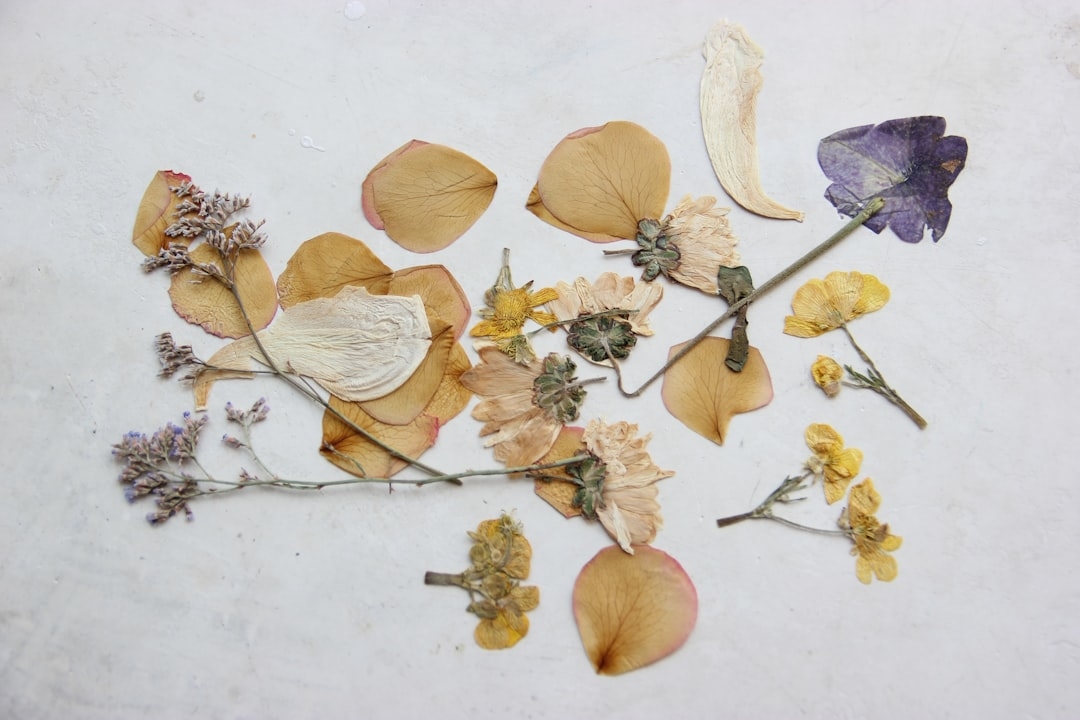
For flat crafts like cards or framed art, pressing with heavy books or a flower press works well. Violas, ferns, and pansies press beautifully.
Microwave Drying
For impatient crafters, microwaving with silica gel can dry a bloom in minutes–but it takes practice.
| Method | Best For | Time | Equipment Needed |
|---|---|---|---|
| Air drying | Most sturdy | 1-4 wks | Twine, hanger |
| Silica gel | Delicate | 2-7 days | Silica, container |
| Pressing | Flat flowers | 1-3 wks | Books/press |
Caring for Air Dried Flowers: Make Them Last
Once dried, handle with care. Dried flowers are brittle!
- Dust gently with a cool hair dryer or soft brush.
- Avoid direct sunlight to keep colors true.
- Display away from humidity–bathrooms and kitchens are risky.
- Spray lightly with unscented hairspray (like TRESemmé Extra Hold, $6.99 at Target), for extra longevity and to help petals stick.
Dried arrangements can last 1-3 years–sometimes longer if kept out of direct sun and dusted regularly.
Air Drying Flowers FAQs
What is the fastest way to air dry flowers?
The fastest air drying method is hanging small bundles of sturdy flowers (like statice or lavender) upside down in a dark, dry, well-ventilated area. Most will dry in 1-2 weeks under these conditions.
Can I air dry flowers in a humid climate?
Air drying is possible in humid areas, but results may vary. Use a dehumidifier or air conditioner to lower humidity below 40%. Dry in smaller bundles and check often for mold.
Do air dried flowers keep their fragrance?
Some flowers, such as lavender and eucalyptus, retain a gentle scent after drying. Most cut flowers lose their fragrance as moisture evaporates.
Can I dry flowers out of a bouquet from 1-800-Flowers or FTD?
Yes, but success depends on which flowers are in the bouquet. Roses, statice, and baby’s breath typically air dry well; lilies and tulips do not. Remove wilted or moldy stems before drying.
How do I keep air dried flowers from fading?
Keep flowers away from sunlight while drying and after arranging. Display them in a cool, shaded spot, and consider a coat of clear floral spray for added protection.
What’s Next? Turn Dried Blooms Into Art
Now you know what works–and what doesn’t–when air drying flowers. Try drying a bunch from your next grocery store bouquet (Trader Joe’s is famous for bouquets heavy with statice!). Or, visit a local farmer’s market and experiment with new varieties. Once you’ve got a stash of dried stems, create a wreath, a shadow box, or tuck a few sprigs into a handmade card. The possibilities are as endless as your imagination–and as beautiful as your memories.