Contents:
- Quick-Start: How to Set Up a Floral Subscription Model
- Why Floral Subscriptions Work in the US (and How Big Names Win)
- Standouts in the Market
- Crafting Your Subscription Offering: Choices, Pricing & US Preferences
- Choose Your Subscription Cadence
- Sizing & Customization
- Pricing Strategies
- Subscription Tech: Tools & Platforms for US Florists
- Best Platforms for Florists
- Flower Sourcing: Quality, Consistency, and Local Edge
- Reliable Sourcing Channels
- Tips for Supply Success
- Packaging and Delivery: Branding Meets Freshness
- Smart Packaging Choices
- Shipping Partners
- Marketing Your Floral Subscription: How to Build and Keep a Loyal Base
- Launch Campaign Essentials
- Email & SMS Sequences
- Partnerships & Events
- FAQs: Floral Subscription Model Setup (US 2026)
- What’s the average profit margin for a US floral subscription business?
- How do you handle skipped or paused months?
- What’s the best way to price a floral subscription?
- How do I keep my flowers fresh during US shipping?
- Can I start a subscription model from a home-based floral studio?
Floral Subscription Model Setup Guide
Picture this: A local florist on Main Street, whose phone used to ring only on Valentine’s Day, now ships hundreds of bouquets every month–automatically, like clockwork. Floral subscription services in the US have exploded, growing by 25% annually since 2022 (source: American Floral Endowment). From single-stem deliveries to elaborate weekly arrangements, the subscription model isn’t just for household names like Bouqs or UrbanStems anymore. Setting up a floral subscription is more accessible than ever, with platforms, apps, and logistics tailored for seasoned florists and entrepreneurial newcomers alike.
Quick-Start: How to Set Up a Floral Subscription Model
What are the essential steps to launch a floral subscription service?
- Define your subscription offerings (frequency, size, themes, pricing).
- Source flowers reliably – local farms, wholesalers, or direct import.
- Select a tech platform for subscription management (Shopify, Subbly, WooCommerce).
- Set up payment and delivery logistics (Stripe/Square, local couriers, USPS).
- Design standout packaging for freshness and branding.
- Launch with a marketing plan–social ads, email, partnerships.
- Track satisfaction and iterate (surveys, retention metrics).
“A subscription model is less about flowers and more about building anticipation. Consistency wins hearts.”
– Miranda Tate, Florist & Subscription Program Consultant, Brooklyn Blooms
Why Floral Subscriptions Work in the US (and How Big Names Win)
America loves convenience. By 2026, over 4.3 million US households receive regular flower deliveries (Floral Trends Report), thanks to subscription platforms. The model’s appeal? Predictability, customization, and value for money.
Standouts in the Market
| Brand | Starting Price (per delivery) | Frequency Options | Notable Feature |
|---|---|---|---|
| Bouqs | $44 (weekly) | Weekly, biweekly, monthly | Farm-direct sourcing |
| UrbanStems | $55 (monthly) | Monthly, quarterly | Modern, seasonal curation |
| H.Bloom (B2B) | $65 (weekly) | Weekly | Office & corporate subscription |
| BloomsyBox | $39.99 (weekly) | Weekly, monthly | Rainforest Alliance certified |
US consumers cite freshness (94%) and surprise factor (68%) as main subscription draws (AFIF Survey, 2025).
Crafting Your Subscription Offering: Choices, Pricing & US Preferences
Nailing your offering means understanding your customers–what do US subscribers really want?
Choose Your Subscription Cadence
- Weekly: Favored by offices, boutique hotels, and flower enthusiasts.
- Biweekly/Monthly: Most popular for home delivery; 71% of individual US customers pick monthly (Harris Poll, 2026).
- Seasonal: Four times a year, often for premium arrangements matching holidays.
Sizing & Customization
- Petite (5-7 stems): $20-$30/delivery; perfect for desks.
- Classic (12-16 stems): $35-$50; for family kitchens.
- Deluxe (20+ stems with greens): $55-$80; event-ready, “statement” bouquets.
Encourage flexibility–let clients swap delivery dates, skip a cycle, or send a surprise bouquet to a friend. US subscribers love an upgrade offer–30% are willing to add-on when presented with a bespoke vase or seasonal accent (FloristTech 2025 survey).
Pricing Strategies
- Bundled discounts: 10-15% off for 6+ month commitments.
- First-delivery perks: Free vase, extra stems, or hand-written card.
- Tiered options: Scalable plans for households vs. businesses.
Subscription Tech: Tools & Platforms for US Florists
Choosing the right subscription software makes or breaks your workflow.
Best Platforms for Florists
- Shopify + Recharge: Integrates seamlessly with existing Shopify stores; automates billing, customer management, and even SMS alerts.
- WooCommerce Subscriptions: Highly flexible for WordPress-based florists; custom intervals, pause features, and add-ons.
- Subbly: Subscription-first builder with drag-and-drop design, robust analytics, and direct Stripe integration.
Key Features to Prioritize:
- Automated recurring billing (Stripe/Square/PayPal)
- Customizable pause, skip, and swap options
- Inventory syncing (crucial during Valentine’s/Mother’s Day spikes)
- Delivery routing (integration with ShipStation or Roadie)
- SMS/email reminders
A pro tip from Jason Lin, CTO at PetalLoop Logistics:
“The biggest churn factor is missed deliveries. Automate reminders and provide real-time tracking–customers expect that level of transparency in 2026.”
Flower Sourcing: Quality, Consistency, and Local Edge
Great subscriptions hinge on consistency. In the US, 48% of online flower buyers say they’d cancel after one stale bouquet (AFS, 2026).
Reliable Sourcing Channels
- Local flower farms: Freshest, best for seasonal variety; support community agriculture.
- National wholesalers: Florabundance, Mayesh, FiftyFlowers.
- Direct importers: Ecuador, Colombia, and California are top sources for roses, lilies, and ranunculus.
Tips for Supply Success
- Sign fixed-volume contracts for key blooms (roses, hydrangeas, tulips).
- Build relationships–not just transactions. Florists like Ellen Kim (Wildroot, Seattle) visit local growers monthly and lock in exclusive varieties.
- Use climate-controlled storage and hydration wraps during transit to guarantee day-1 freshness.
Packaging and Delivery: Branding Meets Freshness
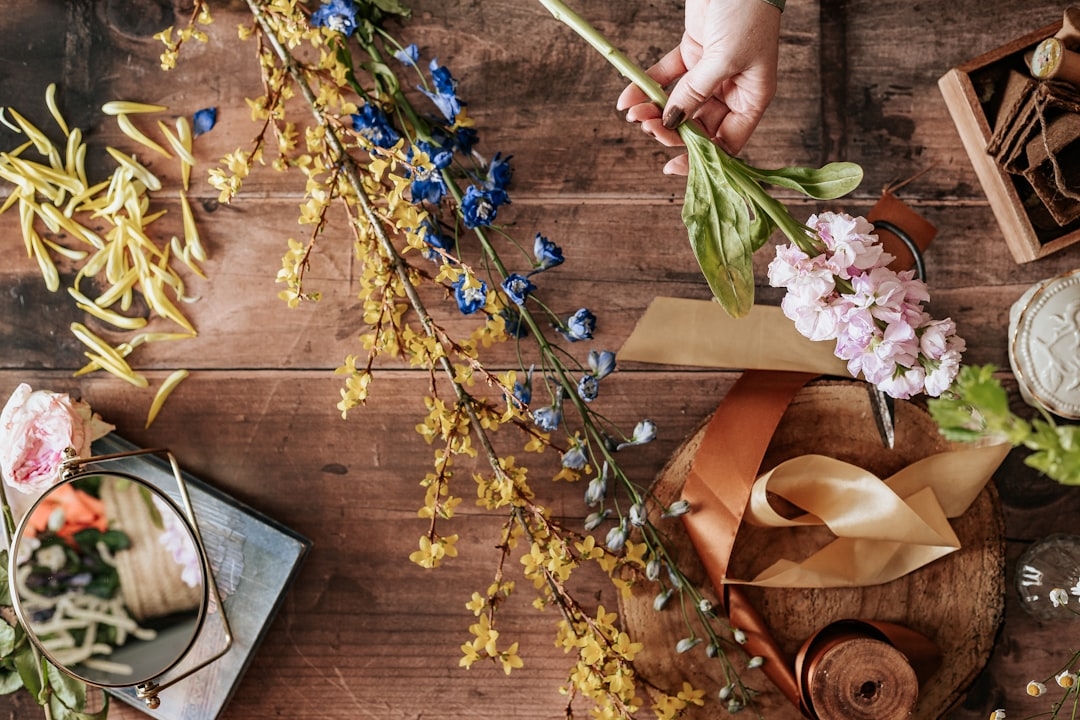
A bouquet should show up looking as fresh as a just-picked daisy. The US shipping climate (think: Texas in July, Chicago in January) demands attention to logistics.
Smart Packaging Choices
- Hydration packs: Keep stems moist during long hauls.
- Custom-branded boxes: Reinforce brand recognition; UrbanStems credits custom boxes for 40% of their post-unboxing shares.
- Compostable wraps: Eco-friendly packaging appeals to 61% of US millennial subscribers (Sustainability in Floristry Report, 2026).
Shipping Partners
- Local delivery teams: Best for same-day, controlled handoffs.
- National couriers (FedEx, UPS, USPS): Wide reach, but prioritize overnight/express to maintain freshness.
Test-run every new packaging method and route. One bruised petal can undo months of goodwill.
Marketing Your Floral Subscription: How to Build and Keep a Loyal Base
In 2026, acquiring a subscriber costs an average of $18 in digital ad spend, but a happy subscriber stays for an average of 14 months (FlowerMarketer Insights). The game: convert and retain.
Launch Campaign Essentials
- Social proof: Feature customer stories and real unboxing videos.
- Early adopter perks: Launch specials (e.g., “first month free”).
- Referral programs: 1 free delivery for every 3 new signups via customer invites.
Email & SMS Sequences
- Welcome series with care tips, referral codes, and sneak peeks.
- Delivery reminders with tracking.
- Loyalty check-ins (discounts on 1-year anniversaries).
Partnerships & Events
- Partner with local cafes, yoga studios, or realtors.
- Offer “first bouquet free” for corporate accounts (low cost, high exposure).
As Rose Garcia (founder of LA’s PosyCycle) says:
“Your best customers are walking billboards. Prioritize their delight–flowers AND experience.”
FAQs: Floral Subscription Model Setup (US 2026)
What’s the average profit margin for a US floral subscription business?
Most US floral subscription services operate with a profit margin of 25-40%. Margins are higher for direct-to-consumer models using local sourcing and in-house delivery.
How do you handle skipped or paused months?
Modern subscription platforms let customers pause, skip, or gift a delivery easily via their account dashboard. This flexibility is a major retention booster in the US market.
What’s the best way to price a floral subscription?
Successful florists use tiered pricing: petite arrangements start at $20-$30, classic at $35-$50, and deluxe at $60-$80 per delivery. Discounts for prepaid, long-term plans (6+ months) are common.
How do I keep my flowers fresh during US shipping?
Invest in hydration packs, insulated packaging, and overnight delivery. Test every shipping route–especially during summer or winter extremes–to maintain quality.
Can I start a subscription model from a home-based floral studio?
Absolutely–many US florists launch successful subscription services from home, using Shopify or WooCommerce, local sourcing, and same-day courier services.
Looking to build a loyal, flower-loving community in 2026? Start small–pilot your subscription with your local fanbase. Gather feedback, refine your bouquets, and let word of mouth (and Instagram) do the heavy lifting. With the right tech, partnerships, and floral artistry, your own Main Street miracle might not be far away.