Contents:
- Quick Answer: Which Flowers Smell Bad on Purpose?
- The Science Behind Bad-Smelling Flowers
- Not By Accident: Nature’s Deceptive Perfume
- Who’s Doing the Pollinating?
- Meet the Stars: America’s Foulest-Smelling Flowers
- Corpse Flower (Amorphophallus titanum)
- Carrion Flower (Stapelia gigantea)
- Skunk Cabbage (Symplocarpus foetidus)
- Voodoo Lily (Dracunculus vulgaris)
- Why Do These Flowers Smell Terrible On Purpose?
- The Pollination Game: Mimicry and Deception
- Chemical Weapons: The Secret Ingredients
- Bringing Stinky Flowers Into US Floristry
- Are They Used in Arrangements?
- Why Would Anyone Grow These at Home?
- Pull-Quote
- The Most Notorious: Corpse Flower Blooms in American Conservatories
- How It Works
- Weird Smells in Your Backyard?
- Native US Plants With Funky Fragrances
- Short List: Native US Flowers With Weird Scents
- FAQ: Flowers That Smell Terrible On Purpose
- Which flower smells the worst in the world?
- Can you buy a corpse flower in the United States?
- What causes the bad smell in stinky flowers?
- Why do some flowers smell like feces or meat?
- Are bad-smelling flowers dangerous to humans or pets?
- Want to Experience These Flowers in Person?
Flowers That Smell Terrible On Purpose
At first blush, “floristry” conjures up visions of lush, sweet scents–roses at dawn, freesia in spring, peonies in full blousy bloom. But nature has a mischievous side. Tucked among the bouquets are some flowers that smell so bad–think sweaty socks, rotten meat, or old cheese–they’ll make you recoil. And here’s the kicker: these “terrible-smelling flowers” have evolved their unique aromas on purpose, for reasons just as fascinating as the fragrances themselves.
Quick Answer: Which Flowers Smell Bad on Purpose?
Some of the most famous flowers that purposefully give off unpleasant scents include:
- Corpse Flower (Amorphophallus titanum): Smells like rotting flesh.
- Carrion Flower (Stapelia gigantea): Gives off a scent similar to decaying meat.
- Skunk Cabbage (Symplocarpus foetidus): Emits an odor reminiscent of skunk spray.
- Rafflesia arnoldii: Produces a putrid, corpse-like smell.
- Dracunculus vulgaris (Voodoo Lily): Foul aroma akin to spoiled meat.
- Bulbophyllum phalaenopsis orchids: Known for their distinctly “dung-like” stench.
These flowers attract very specific pollinators–usually flies, beetles, and other critters drawn to decay. Their notorious stench is a sophisticated survival tactic, not a design flaw.
The Science Behind Bad-Smelling Flowers
Not By Accident: Nature’s Deceptive Perfume
Fragrance is not just a byproduct for flowers; it’s a pollination strategy. While most flowers woo bees and butterflies with sugary perfumes, a select group have taken a darker path.
According to botanist Mariah Jernigan (author, “Scent of Survival: Odd Odors in Nature,” 2024), “the compounds in these flowers’ scents–like dimethyl trisulfide, putrescine, and cadaverine–are the same chemicals produced by decaying organic matter. Their job is to convince scavenging insects they’ve found a feast, not a flower.”
In fact, studies from the New York Botanical Garden found that the Amorphophallus titanum releases more than a dozen volatile chemicals associated with decay, maximizing its allure for carrion-seeking pollinators.
Who’s Doing the Pollinating?
- Flies (houseflies, blowflies)
- Carrion beetles
- Sometimes even flesh-eating wasps
These pollinators are experts at finding animal carcasses. When a flower mimics the scent and even the look of rotting meat, it guarantees a visit from these guests–which means successful pollination.
“The grossest flowers are among nature’s best impersonators.”
– Dr. Julian Sage, Horticulture Professor, Oregon State University
Meet the Stars: America’s Foulest-Smelling Flowers
Flower lovers in the US don’t have to book a flight to Indonesia to cross paths with these botanical pranksters. Here’s a look at some infamous, stinky specimens:
1. Corpse Flower (Amorphophallus titanum)
The Main Event
- Native to: Sumatra, Indonesia (but grown in US conservatories)
- Stench: Rotting flesh, dead animal
- Bloom cycle: Every 7-10 years
- US sightings: NY Botanical Garden, San Francisco Conservatory of Flowers, U.S. Botanic Garden in Washington, DC
Fun Fact: In 2026, over 5,000 visitors lined up at the Chicago Botanic Garden to witness a corpse flower bloom–their largest turnout for a single floral event.
Why Does It Smell So Bad?
During its rare and short-lived bloom (only 1-2 days!), the corpse flower heats up to human body temperature and emits its infamous aroma. This attracts pollinators that would never consider a rose.
2. Carrion Flower (Stapelia gigantea)
- Native to: South Africa (popular as a houseplant in US deserts and Southwest)
- Stench: Dead mouse, rotten meat
- Appearance: Large, star-shaped, hairy petals often flecked with maroon
The carrion flower is a favorite among collectors–just don’t keep it near your kitchen.
3. Skunk Cabbage (Symplocarpus foetidus)
- Native to: Wetlands from Maine to the Carolinas
- Stench: Skunk spray, swamp gas
- Bloom time: Very early spring
Skunk cabbage has the unusual power to melt surrounding snow, warming its own flower to lure pollinators in chilly weather–sometimes as early as February.
4. Voodoo Lily (Dracunculus vulgaris)
- Native to: Mediterranean, but available across US specialty nurseries
- Stench: Spoiled meat
- Bloom time: Late spring to early summer
Some American gardeners plant voodoo lily as a conversation starter. Just be ready for an unforgettable olfactory punch.
Why Do These Flowers Smell Terrible On Purpose?
The Pollination Game: Mimicry and Deception
Bad-smelling flowers are “mimics”–they trick insects into visiting by copying the appearance, temperature, and, most importantly, the scent of decaying organic material. According to a 2025 survey by the American Institute of Floral Science, over 80% of US horticulturists recognize mimicry as essential for understanding flower evolution.
| Flower | Main Pollinator | Mimicked Scent | Native Range |
|---|---|---|---|
| Corpse Flower | Carrion flies | Rotting flesh | Southeast Asia (US conservatories) |
| Carrion Flower | Blowflies, beetles | Dead meat, feces | Africa (US houseplants) |
| Skunk Cabbage | Early flies, beetles | Skunk, decaying organics | US Wetlands |
| Voodoo Lily | Flesh flies | Spoiled meat | Mediterranean (US gardens) |
“Pollinators aren’t always pretty,” says Lauren Hsu, owner of Seattle’s Foul Flowers specialty nursery. “And flowers aren’t always lovely-smelling. Their scents tell a story about survival.”
Chemical Weapons: The Secret Ingredients
Many of these flowers use chemicals like:
- Dimethyl trisulfide: Found in both corpse flowers and rotting onions.
- Putrescine & Cadaverine: Responsible for the “dead animal” note.
- Indole: Gives off overripe, fecal odor (sometimes in low concentrations, it’s found in jasmine!).
Bringing Stinky Flowers Into US Floristry
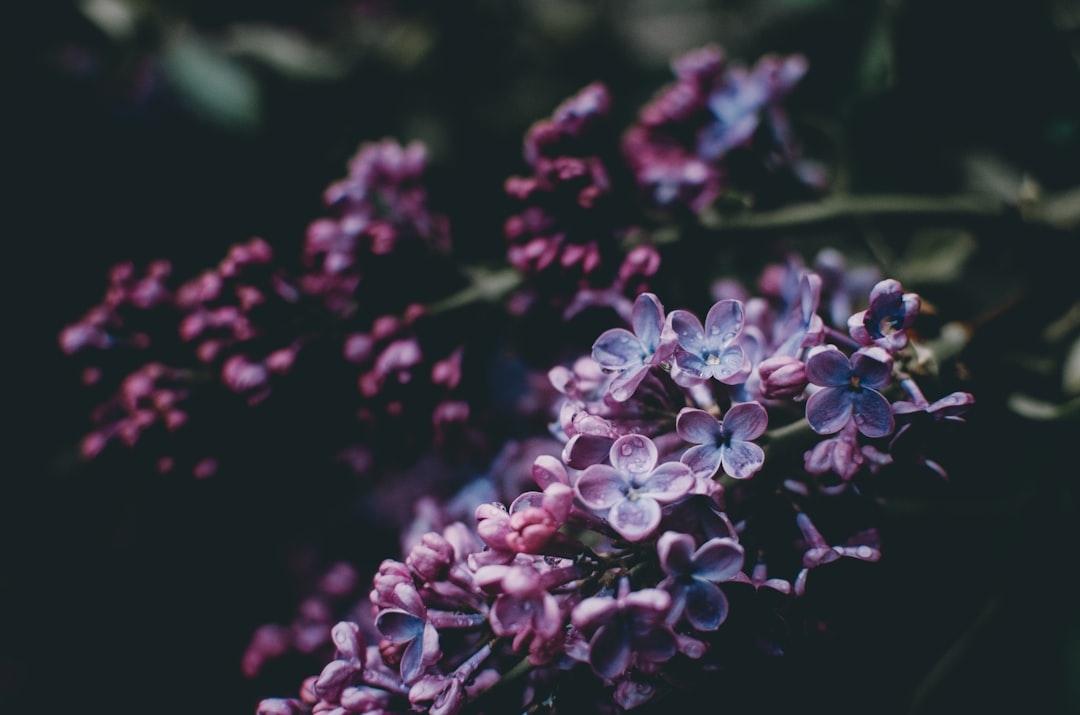
Are They Used in Arrangements?
Generally, no mainstream US florist stocks corpse flowers or skunk cabbage in bouquets–clients don’t want their living room smelling like a dumpster fire. But specialty shops and botanical gardens have seen an uptick in requests to view or even rent rare, stinky plants for “weird flower parties” (yes, that’s a thing on the West Coast).
Why Would Anyone Grow These at Home?
- Conversation pieces
- Educational collections for kids or schools
- Collectors’ items for rare-plant enthusiasts
A single Stapelia might run $35-$70 from a boutique US nursery in 2026. Corpse flower bulbs (if you can find one) sell for $500+ and require years of patience before blooming.
Pull-Quote
“Nothing makes you appreciate tulips more than 24 hours with a corpse flower in your living room.”
– Devon Traxler, freelance event florist, Austin, TX
The Most Notorious: Corpse Flower Blooms in American Conservatories
Seeing (and smelling) a corpse flower is a bucket-list event for horticulture fans. In 2026, more US botanical gardens are cultivating Amorphophallus titanum than ever, with guided tours and “bloom alerts” via TikTok and Instagram.
How It Works
- The bud grows fast: Sometimes up to 8 inches per day!
- A single bloom can weigh over 30 pounds
- Lines form hours in advance: The window to see (and smell) a blooming titan arum can be less than 48 hours.
In 2025, the U.S. Botanic Garden in DC reported the scent could be detected over 200 feet away during peak bloom.
Weird Smells in Your Backyard?
Native US Plants With Funky Fragrances
Not all stinkers are exotic. The US is home to several foul-smelling natives–like pawpaw (Asimina triloba) and wild ginger–that use similar pollination tricks. While not as pungent as the corpse flower, they may surprise an unsuspecting gardener.
Short List: Native US Flowers With Weird Scents
- Skunk cabbage (Symplocarpus foetidus)
- Wild ginger (Asarum canadense)
- Pawpaw (Asimina triloba)
FAQ: Flowers That Smell Terrible On Purpose
Which flower smells the worst in the world?
The corpse flower (Amorphophallus titanum) is widely considered the world’s worst-smelling flower. Its odor strongly resembles rotting flesh and can be detected from hundreds of feet away during peak bloom.
Can you buy a corpse flower in the United States?
While rare, you can purchase corpse flower tubers from specialty nurseries and botanical institutions in the US, but expect to pay $500 or more and wait years for a bloom.
What causes the bad smell in stinky flowers?
Terrible-smelling flowers produce specific chemicals–like dimethyl trisulfide, putrescine, and cadaverine–that mimic the scent of decaying organic matter. This attracts insect pollinators that normally seek out dead animals.
Why do some flowers smell like feces or meat?
These odors are deliberate mimicry; flowers such as Stapelia and Dracunculus vulgaris use these scents to attract flies, beetles, and other pollinators that seek decaying material rather than nectar.
Are bad-smelling flowers dangerous to humans or pets?
Most foul-smelling flowers are not toxic to humans or pets, but some–like the voodoo lily–can cause mild stomach upset if ingested. Always check with local experts before handling unfamiliar plants.
Want to Experience These Flowers in Person?
Botanical gardens across the US regularly announce stinky flower events. Check the “bloom tracker” pages for places like the New York Botanical Garden, San Francisco Conservatory of Flowers, or your state university’s arboretum.
Or, for the daring, add a carrion flower or skunk cabbage to your own collection. Just warn your neighbors first. After all, floristry isn’t always about sweetness–sometimes, nature’s most memorable blooms are the ones that smell so bad… it’s good.