Contents:
- Nasturtium Recipes, Scannable Answer
- What Are Nasturtiums? A Quick Botanical Overview
- Nasturtium Parts: What’s Edible?
- Nasturtium Nutrition and Safety
- Flavor Profile: Why Chefs Love Nasturtiums
- Nasturtiums vs. Other Edible Flowers: Quick Comparison
- Harvesting and Preparing Nasturtiums
- Nasturtium Recipes: Fresh, Creative, Delicious
- Nasturtium Salad
- Stuffed Nasturtium Flowers
- Nasturtium Pesto
- Pickled Nasturtium Seeds (“California Capers”)
- Nasturtium Syrup for Cocktails
- Nasturtium-Infused Butter
- Nasturtium Egg Salad
- Nasturtiums in Modern American Cuisine
- Cost and Availability
- Storing and Preserving Nasturtiums
- Nasturtium Recipe Ideas for Every Occasion
- FAQ: Nasturtium Recipes and Edible Flower Cooking
- Can you eat all nasturtium varieties?
- What do nasturtiums taste like?
- How do you store nasturtiums for later use?
- Are nasturtiums healthy to eat?
- Where can I buy nasturtiums or edible flowers in the US?
- What Next? Start Your Own Nasturtium Adventure
Nasturtium Recipes Complete Guide
Backyard gardeners are crowding farmers’ markets and local farm stands for brilliant nasturtium blossoms, and it’s not just for their looks. These peppery, jewel-toned flowers have leapt off the trellises and into the kitchens of America–into salads, salsas, syrups, cakes, and even cocktails. Far from being a mere garnish, nasturtiums are a culinary wild card, packing a spicy, arugula-like punch and a rainbow of color. The best part: they’re as easy to use as they are to grow.
Nasturtium Recipes, Scannable Answer
How can you use nasturtiums in recipes?
Nasturtium flowers and leaves are edible and versatile. Eat them raw in salads, blend into pestos, garnish soups, or stuff whole flowers with soft cheese. The seeds can be pickled as “California capers.” Their flavor is slightly peppery, similar to watercress. Always use unsprayed, organically grown nasturtiums and rinse gently before eating.
What Are Nasturtiums? A Quick Botanical Overview
Nasturtiums (Tropaeolum majus) are annual flowering plants, renowned for their round leaves and vividly colored, funnel-shaped blooms. Originally from South America, they’re now a staple in US gardens for both their ornamental and edible qualities.
According to Sue Ramsey, horticulturist and founder of Seattle Urban Flowers (est. 2016), “Nasturtiums thrive in most American climates from early spring to first frost. They practically demand to be picked and tossed into dinner!”
Nasturtium Parts: What’s Edible?
- Flowers: Spicy, sweet, and mild–excellent raw.
- Leaves: Peppery, slightly bitter, tender when young.
- Seeds: Can be pickled, green and unripe seeds are best.
- Stems: Less commonly used but edible when young.
“Every part of a nasturtium is edible. That’s a rare claim in the flower world!” – Sue Ramsey, horticulturist
Nasturtium Nutrition and Safety
Nasturtiums aren’t just pretty–according to a 2024 study by the American Society for Horticultural Science, nasturtium leaves and flowers are high in vitamin C (about 45mg per 100g of leaves), and contain glucotropaeolin, a mustard-oil compound thought to offer mild antibacterial benefits.
- Calories: Very low–less than 10 kcal per cup of fresh flowers/leaves.
- Considerations: Only eat nasturtiums grown without pesticides.
- Allergies: Rare, but start with a small amount if you’ve never eaten edible flowers before.
Flavor Profile: Why Chefs Love Nasturtiums
Imagine the bite of arugula laced with a hint of honey, or the tang of a radish mellowed by a snapdragon petal. That’s nasturtium: spicy, floral, and memorable.
Nasturtiums vs. Other Edible Flowers: Quick Comparison
| Flower | Color Range | Best Uses | Flavor Profile |
|---|---|---|---|
| Nasturtium | Yellow to deep red | Salads, fillings, pickling | Peppery, slightly sweet |
| Violas/Pansies | Purple, blue, yellow | Cake toppers, salads | Mild, grassy |
| Calendula | Orange, yellow | Risottos, teas, soups | Earthy, a bit bitter |
| Chive blossoms | Purple | Savory dishes, butter | Oniony, sharp |
Nasturtiums stand out for their assertive flavor, which can actually hold up to rich cheeses or even a grilled steak.
Harvesting and Preparing Nasturtiums
Quality starts in the garden–or at your local market. Buy bunches ($3-6 in 2026 at most U.S. farmers’ markets), or snip fresh before the heat of the day.
Best practices:
- Rinse gently in a bowl of cool water.
- Dry on a towel or spin in a salad spinner.
- Remove spent petals or wilted leaves.
- Refrigerate in a sealed container with damp paper towel, use within 3 days.
For seeds (to make “capers”), pick when small, green, and still soft.
Nasturtium Recipes: Fresh, Creative, Delicious
You’ll see nasturtiums on Instagrammable plates at restaurants from Brooklyn to Berkeley–but they’re easy at home, too. Here are some favorite ways to cook and serve them.
1. Nasturtium Salad
Toss mixed greens with sliced radish, slivers of nasturtium leaves, and a handful of whole flowers. Drizzle with olive oil, lemon juice, salt, and cracked pepper. Top with goat cheese or feta for contrast.
2. Stuffed Nasturtium Flowers
Gently open each flower and fill with a piped mixture of whipped cream cheese, chopped chives, and a pinch of sea salt. Arrange on a platter for a striking appetizer.
3. Nasturtium Pesto
Swap out basil for nasturtium leaves (about 2 cups packed), add 1/2 cup walnuts, 1/2 cup parmesan, 2 garlic cloves, and olive oil. Blend until smooth.
Serve tossed with pasta or dolloped on grilled chicken.
4. Pickled Nasturtium Seeds (“California Capers”)
Ingredients:
- 1 cup fresh, green nasturtium seeds
- 1 cup white wine vinegar
- 1 tbsp kosher salt
- 1 tsp sugar
Instructions:
- Rinse and soak seeds in salted water overnight.
- Drain, transfer to a sterilized jar.
- Boil vinegar, salt, sugar; pour over seeds.
- Seal and refrigerate for 2 weeks before using.
5. Nasturtium Syrup for Cocktails
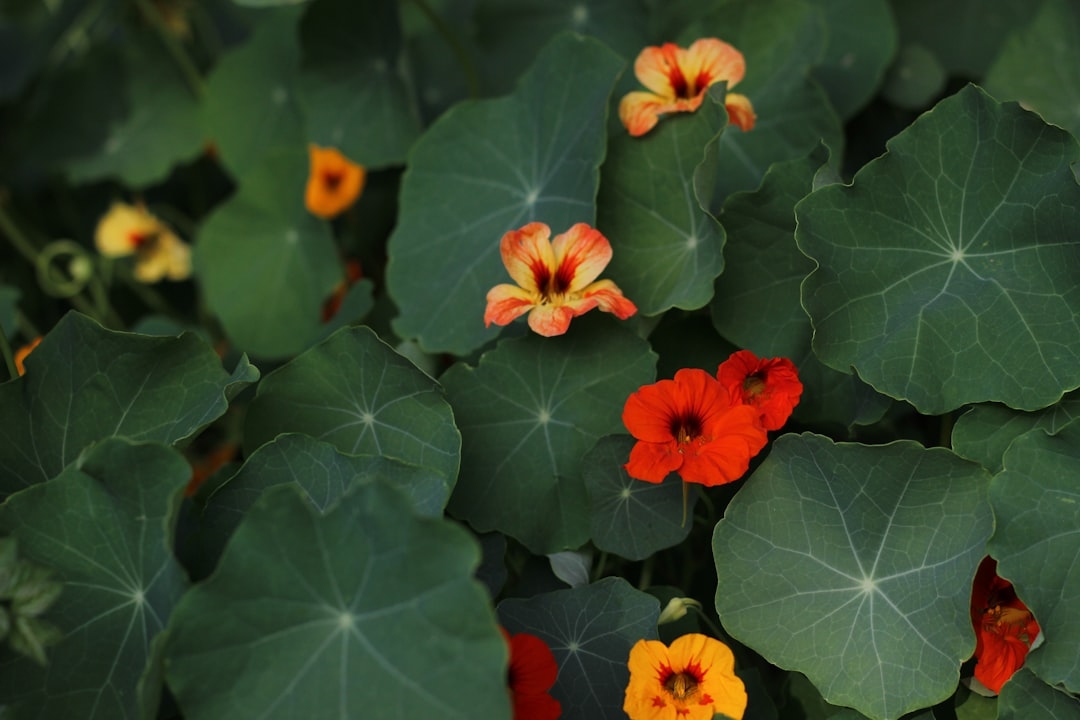
Simmer 1 cup water with 1 cup sugar. Remove from heat, stir in 1 cup fresh nasturtium flowers. Steep 30 min, strain.
This orange-tinted syrup is killer in lemonade or a gin & tonic.
6. Nasturtium-Infused Butter
Soften 1/2 cup unsalted butter, blend in 2 tbsp chopped nasturtium leaves and a few petals. Chill.
Use on sweet corn, sourdough toast, or grilled steak.
7. Nasturtium Egg Salad
Chop hard-boiled eggs with mayonnaise, Dijon mustard, celery, and diced nasturtium leaves. Spread on fresh sourdough.
“The possibilities are endless because nasturtiums bridge sweet and savory,” says chef and edible flower specialist Laura Yates (Midwest Edibles, Chicago, est. 2021).
Nasturtiums in Modern American Cuisine
Nasturtiums were once a Victorian garnish, but in 2026, they’re starring on the menus at farm-to-table spots like The Herbfarm (Seattle) and at private chef events from Los Angeles to Miami. US seed companies such as Baker Creek Heirloom Seeds and Johnny’s Selected Seeds now report a 28% year-over-year increase in nasturtium seed sales since 2023, fueled by TikTok recipe trends and a renewed interest in edible gardening.
Cost and Availability
- Seeds: $3-5 per pack, widely available online (Johnny’s, Baker Creek, Burpee).
- Fresh flowers: $5-8 per 2 oz clamshell from specialty grocers like Whole Foods or by mail (e.g., Marx Foods).
- In restaurants: Expect to pay $3-$10 upcharge for “edible flower” enhancements on plates.
Storing and Preserving Nasturtiums
Nasturtiums are delicate. To extend their season:
- Refrigerate: Flowers and leaves last up to 3 days if dry and gently packed.
- Freeze: Chop leaves and freeze in olive oil cubes for winter pestos.
- Pickle seeds: As described above; lasts months refrigerated.
- Dry petals: Use for tea blends or baking decoration.
Nasturtium Recipe Ideas for Every Occasion
Quick uses:
- Add petals to tea sandwiches for bridal or baby showers.
- Garnish spring pea soup with nasturtium chiffonade.
- Brighten up deviled eggs or smoked salmon toast.
- Top a lemon tart with scattered petals for high-impact color.
For adventurous cooks:
- Fold chopped flowers into compound butters or soft cheeses.
- Mix with cucumbers, mint, and yogurt for a spicy raita.
- Infuse vinegar or gin for a floral kick.
FAQ: Nasturtium Recipes and Edible Flower Cooking
Can you eat all nasturtium varieties?
Yes. All commonly available nasturtium varieties (including ‘Empress of India’, ‘Alaska’, and ‘Jewel Mix’) are safe and edible, provided they are grown without chemicals or pesticides.
What do nasturtiums taste like?
Nasturtiums have a peppery, tangy flavor, similar to watercress or mild radish, with a subtle sweetness from the petals.
How do you store nasturtiums for later use?
Store freshly picked nasturtiums in the refrigerator, wrapped in a damp paper towel inside a sealed container. Use within 3 days. For longer storage, freeze leaves in oil or pickle seeds as capers.
Are nasturtiums healthy to eat?
Yes, nasturtiums are nutritious, containing high levels of vitamin C and beneficial plant compounds. They are naturally low in calories.
Where can I buy nasturtiums or edible flowers in the US?
Edible nasturtiums are available at many US farmers’ markets, specialty grocers (like Whole Foods), online retailers (Johnny’s Selected Seeds, Marx Foods), and some flower delivery services offering edible bouquets.
What Next? Start Your Own Nasturtium Adventure
Grow your own, or pick up a punnet from the market and try a fresh nasturtium recipe this week–pesto, “capers,” or just a wild, beautiful salad. Once you taste their signature peppery flavor and see how they light up the plate, you’ll find yourself reaching for these edible flowers again and again. Edible gardening is booming in 2026, and nasturtium is the easiest–and arguably most rewarding–place to start.