Contents:
- The Best Cut Flowers for Zone 7: Quick Reference Guide
- Unique Zone 7 Advantages for Cut Flower Gardens
- How to Plan a Cut Flower Garden in Zone 7
- Map Your Bloom Times
- Pick the Perfect Site
- Soil and Fertility Tips
- Spring-to-Fall: Month-by-Month Planting Guide
- Early Spring (March-April)
- Late Spring (May-June)
- Summer (June-July)
- Late Summer-Fall (August-October)
- Top Varieties for Amazing Bouquets (With US Market Twists)
- Showstopper Summer Annuals
- Elegant Perennials & Biennials
- Premium Fall & Early Spring Picks
- Tools & Supplies: US Florist Recommendations
- Pest & Disease Solutions for Zone 7 Cut Flowers
- Extending Your Harvest Through Fall
- Essential FAQ for Cut Flower Gardens in Zone 7
- What are the best months to plant cut flowers in Zone 7?
- Which flower varieties have the longest vase life for Zone 7 gardeners?
- Can I overwinter any cut flowers in Zone 7?
- How do I keep cut flowers blooming all season in Zone 7?
- What pests most affect cut flower gardens in Zone 7?
Cut Flower Garden by Hardiness Zone 7
Blossoms don’t just brighten a backyard–they can transform even a small plot into a show-stopping cut flower garden. Here’s a striking number: the United States imported over $1.9 billion worth of cut flowers in 2025. Yet, nothing compares to plucking a vaseful from right outside your door, especially if you garden in USDA Hardiness Zone 7. That sweet spot–neither too hot nor too cold–unlocks an exceptional range of flowers for cutting, from cool-loving ranunculus in early spring to heat-tolerant zinnias that last till frost.
Let’s get straight into what makes a cut flower garden thrive in this dynamic climate.
The Best Cut Flowers for Zone 7: Quick Reference Guide
Gardeners in Zone 7–think Nashville, Washington D.C., Tulsa, parts of North Carolina, and the Ozarks–enjoy a growing season that stretches from late March to late October. In this zone (average annual minimum temperature: 0°F to 10°F), these are the top cut flower picks for continuous harvest:
| Flower Type | Sow/Plant Time | Bloom Period | Notable Varieties |
|---|---|---|---|
| Snapdragons | Late winter (indoors), early spring (outdoors) | April-June | ‘Rocket Mix’, ‘Madame Butterfly’ |
| Peonies | Fall (bare root) | May-June | ‘Sarah Bernhardt’, ‘Coral Charm’ |
| Zinnia | After last frost | June-October | ‘Benary’s Giant’, ‘Queen Lime’ |
| Dahlia | After last frost | July-Frost | ‘Cafe au Lait’, ‘Cornel Bronze’ |
| Lisianthus | Early spring | July-September | ‘Echo Pink’, ‘Arena White’ |
| Sunflowers | Mid-April-July (successions) | June-September | ‘ProCut Orange’, ‘Sunrich Lime’ |
| Cosmos | After last frost | June-Frost | ‘Double Click’, ‘Sensation’ |
| Ranunculus | Fall (corms) | March-May | ‘La Belle’ series |
Tip: For maximum vase life, harvest in the cool of the morning and place stems directly into clean water.
Unique Zone 7 Advantages for Cut Flower Gardens
Zone 7’s climate is a sweet spot for cut flowers. The late spring frosts are rare but possible, and summers get warm but seldom scorch above 95°F for extended spells. According to Dr. Mabel Kent, horticulture lead at the Georgia Flower Institute, “Zone 7 offers the flexibility to grow a wider palette–cool-season annuals, flamboyant summer bloomers, even some perennials that southern zones can’t manage easily.”
Why Zone 7 Shines:
- Early Spring Opportunities: Plant ranunculus or anemones in fall for exceptionally early color in March.
- Long Summer Season: Zinnias and cosmos can be direct-sown for months of blooms.
- Mild Autumns: Some flowers, like chrysanthemums and late dahlias, give you a bonus bouquet when northern gardens are winding down.
How to Plan a Cut Flower Garden in Zone 7
Great design starts with timing, layering, and soil prep. Here’s what top American flower farmers recommend for a cutting plot that just keeps giving.
Map Your Bloom Times
Want a vase full every week? Think succession planting. Start with bulbs and cool season annuals, then rotate in warm-season stars. Here’s a month-by-month draft:
- March-April: Ranunculus, tulips, snapdragons wake up the season.
- May-June: Peonies, lupine, bachelor’s buttons.
- July-September: Dahlias, zinnias, sunflowers, lisianthus.
- October: Chrysanthemums, salvias, late zinnias.
Pick the Perfect Site
Most cut flowers crave at least six hours of sun, well-draining soil, and good air circulation. Raised beds or double-dug rows make harvesting (and weeding) a breeze. In heavier clay, work in two inches of compost before planting.
Soil and Fertility Tips
Zone 7 soil ranges from sandy loams to heavier clays, depending on your locale. Do a simple soil test ($25-$45 at most local extension offices) to check pH (aim for 6.2-6.8) and nutrient balance. Feed hungry annuals like zinnias and sunflowers with a slow-release organic fertilizer, such as Espoma Flower-Tone ($15/4-lb bag).
<blockquote>
“A rich, well-aerated bed and steady moisture make for the straightest, healthiest stems,” advises Jessica Woo, owner of Petal Patch Flowers, Asheville NC.
</blockquote>
Spring-to-Fall: Month-by-Month Planting Guide
Early Spring (March-April)
- Bulbs & Corms: Ranunculus, anemones, tulips. Plant corms in fall for earliest results.
- Seedlings: Transplant snapdragons and larkspur that were started indoors in late winter.
Late Spring (May-June)
- Direct Sow: Bachelor’s buttons, sweet peas, nigella.
- Perennials: Peony roots (planted previous fall) begin blooming.
Summer (June-July)
- Direct Sow: Zinnias, cosmos, sunflowers, marigolds.
- Transplants: Dahlias (after last frost–typically late April in Zone 7).
Late Summer-Fall (August-October)
- Succession Sowing: Keep zinnias and cosmos going till frost by sowing every 2-3 weeks until mid-July.
- Fall-planted Bulbs: Order tulips, daffodils, and ranunculus corms for October planting.
Top Varieties for Amazing Bouquets (With US Market Twists)
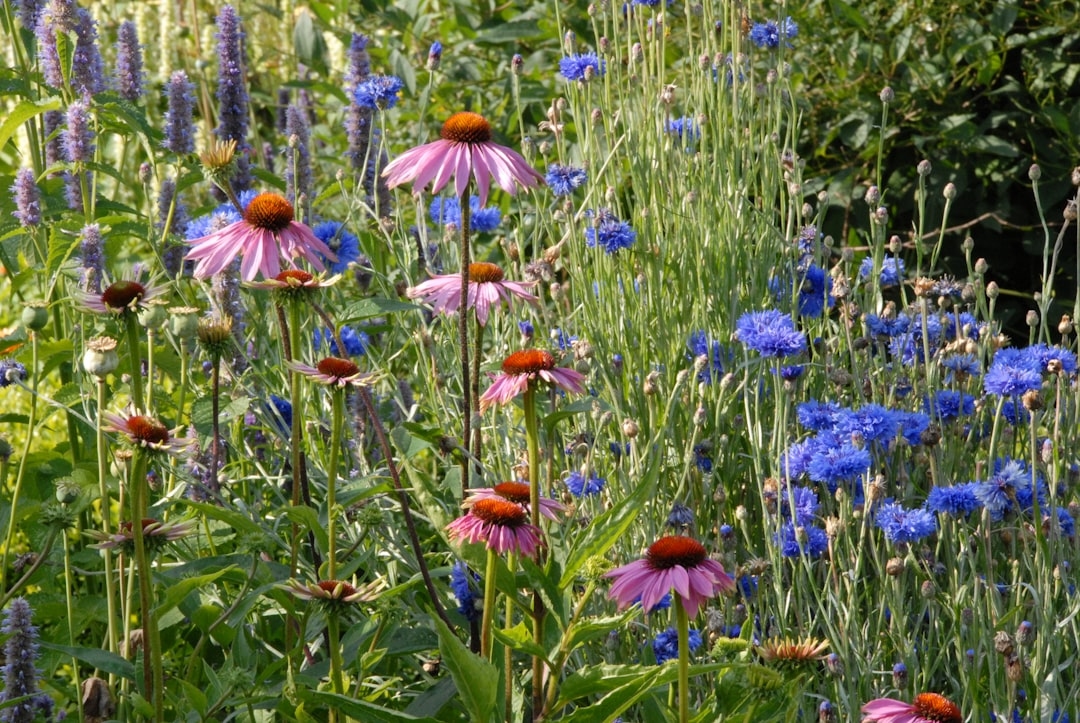
Fresh local flowers can outclass imports in color, fragrance, and longevity. Here are the standouts for Zone 7, with notes on where to find seeds or plugs in the US.
Showstopper Summer Annuals
- Zinnia ‘Benary’s Giant’ – The US florist standard for bold, long-lasting stems. $4-$6/packet at Johnny’s Selected Seeds.
- Sunflower ‘ProCut Orange’ – Single-stem, pollenless, vase-ready in 60 days.
- Cosmos ‘Double Click’ – Frilly blooms, easy to grow, and forgiving if you forget to water.
Elegant Perennials & Biennials
- Peony ‘Sarah Bernhardt’ – Reliable, blowsy, and American-grown roots are widely available via White Flower Farm ($26/bareroot).
- Shasta Daisy – Classic white, lasts over a week in the vase.
- Delphinium ‘Guardian Blue’ – Tall spikes, beloved by US florists for June weddings.
Premium Fall & Early Spring Picks
- Chrysanthemum ‘Sheffield Pink’ – A hardy mum, perfect for late bouquets.
- Ranunculus ‘La Belle’ – Grown from corms; US-grown corms available at Floret Flowers in Washington State.
Tools & Supplies: US Florist Recommendations
High-quality gear and supplies streamline your cut flower harvest and arranging.
- Pruners: Felco #2 hand pruners ($59) are the gold standard for flower farmers.
- Harvest Buckets: 2.5-gallon food-grade buckets (Home Depot, $4) fit perfectly on garden carts.
- Flower Food: Chrysal Universal sachets increase vase life by 30% (available via Amazon or local flower shops).
- Seed Sources: Johnny’s Selected Seeds, Baker Creek Heirloom Seeds, Floret Flowers, and American Meadows.
Pest & Disease Solutions for Zone 7 Cut Flowers
Zone 7’s humidity can encourage powdery mildew and Japanese beetles, but American cut flower growers use these tried-and-true tactics:
- Powdery Mildew: Space plants for air flow. Spray with an organic sulfur solution ($12/quart at Arbico Organics) if needed.
- Japanese Beetles: Hand-pick in the morning, or use floating row covers during major infestations.
- Aphids: Strong water spray or insecticidal soap ($8-$12, Safer Brand).
Dr. Luis Romero, extension horticulturist for the University of Tennessee, notes: “Rotate flower types and add a few marigolds or basil–these companion plants repel the worst pests, and attract beneficial pollinators.”
Extending Your Harvest Through Fall
Want blooms into November? Here’s how savvy Zone 7 gardeners squeeze a few extra weeks of petals:
- Row Covers: Lightweight Agribon fabric ($22/50-foot roll, available at Grower’s Solution in Tennessee) protects against early frosts.
- Late Planting: Sow quick-flowering cosmos or zinnias after midsummer for late-season splendor.
- Bulb Overwintering: Plant ranunculus and anemone corms in October under mulch; they’ll sprout as soon as winter eases.
Essential FAQ for Cut Flower Gardens in Zone 7
What are the best months to plant cut flowers in Zone 7?
In Zone 7, start cool-season flowers in late winter to early spring (January through March), and warm-season annuals after the last frost in mid-to-late April. Succession sowing of summer flowers can continue into July.
Which flower varieties have the longest vase life for Zone 7 gardeners?
Zinnias, lisianthus, sunflowers (pollenless types), and peonies are among the longest-lasting cut flowers you can grow in Zone 7, often staying vibrant for 7-14 days in water with proper care.
Can I overwinter any cut flowers in Zone 7?
Yes. Hardy perennials like peonies, shasta daisies, and chrysanthemums overwinter easily. In milder winters, ranunculus and anemones planted in fall will overwinter under mulch and bloom extra early in spring.
How do I keep cut flowers blooming all season in Zone 7?
Practice succession planting–sow small batches of annual seeds every 2-3 weeks during the season. Deadhead spent blooms and feed with a balanced organic fertilizer to encourage repeat flowering.
What pests most affect cut flower gardens in Zone 7?
The biggest nuisances are aphids, Japanese beetles, and powdery mildew. Regular inspection, spacing plants, and using organic controls like neem oil help keep these problems in check.
Ready for armfuls of blooms? Start with a handful of your favorite varieties, keep your soil healthy, and try at least one “experiment” row each year. With a cut flower garden tailored to Zone 7’s perks, you’ll enjoy bouquets that outshine any florist’s arrangement–right from your backyard, season after season.